

In November 2026, GIZ officially transferred practical resources on hydrological monitoring and climate risk management to Turkmenhydromet, marking the completion of another adaptation initiative in the Murgab River basin. This handover is part of a larger effort within the framework of the CRM CA programme to strengthen Turkmenistan’s resilience to climate change impacts. Read this article to discover the adaptation measures we have implemented and those planned for the future.
The foundation of all local measures under the CRM CA programme rests upon the climate risk assessment of the Murgab River basin, carried out in 2024 by national and international experts in collaboration with local stakeholders.
The assessment highlighted the most vulnerable sectors -agriculture, water supply, health, and energy – alongside primary climate hazards such as drought, extreme heat, mudflows and flooding. Following these results, six adaptation measures were formulated for the basin, spanning land and water resources management, the development of hydrometeorological monitoring, ecosystem conservation and capacity building.
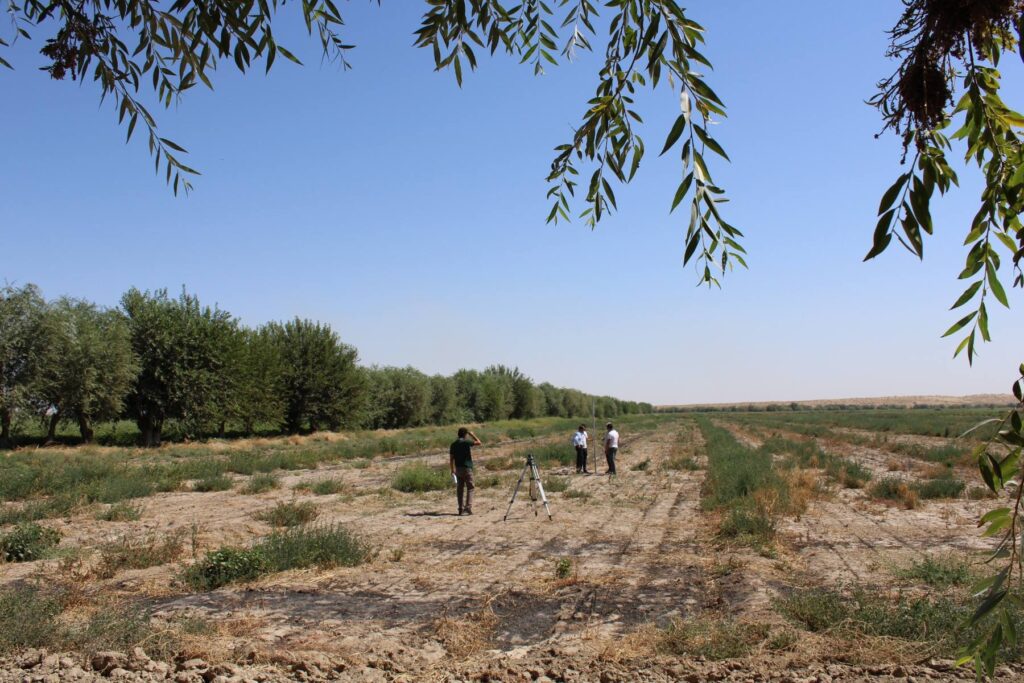
For instance, capacity-building workshops on monitoring irrigated lands and combating land degradation were held in collaboration with the Ministry of Agriculture of Turkmenistan and the Cotton Research Institute, alongside the provision of new laboratory equipment to technical specialists.
This support is vital given the intense climate pressure on the basin’s agricultural sector – highlighted in July 2026, when temperatures persisted between +43°C and +48°C for weeks.
Mitigating rapid land degradation demands continuous monitoring and concerted action among state authorities, research institutions, and farmers. Upgrading the technical capacity of this key research institute marks a tangible step toward building soil climate resilience.
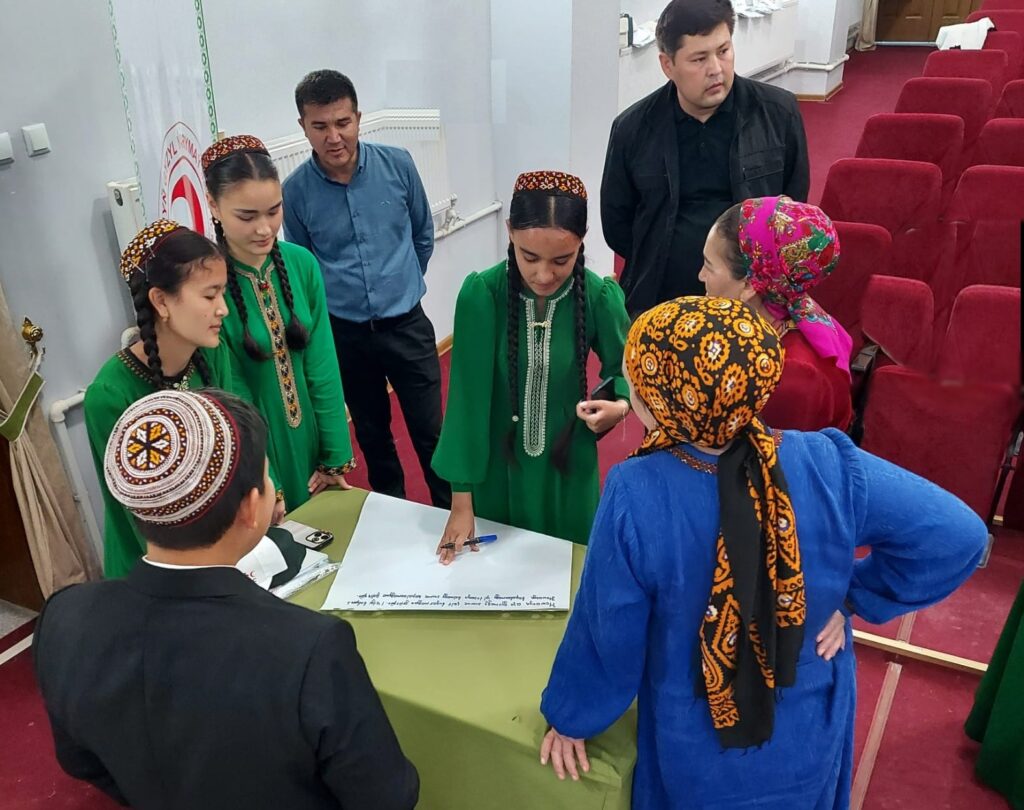
Additionally, community awareness campaigns were conducted across three municipalities in Mary Velayat in collaboration with the National Red Crescent Society of Turkmenistan and the International Federation of Red Cross and Red Crescent Societies (IFRC). More than 260 representatives spanning over 15 sectors and institutions expanded their capacity regarding climate risks and adaptation measures.
Spanning key locations across the Murgab basin, the workshops addressed four priority areas critical to the region: the impact of water quality on health and disease prevention, sustainable household and agricultural water management, heatstroke protection and first-aid protocols, and broader adaptation and mitigation frameworks.
Given the vital role of the Murgab River basin in supporting regional livelihoods, these sessions aim to bolster community preparedness against extreme weather occurrences while encouraging local farmers to integrate climate-smart agricultural practices.
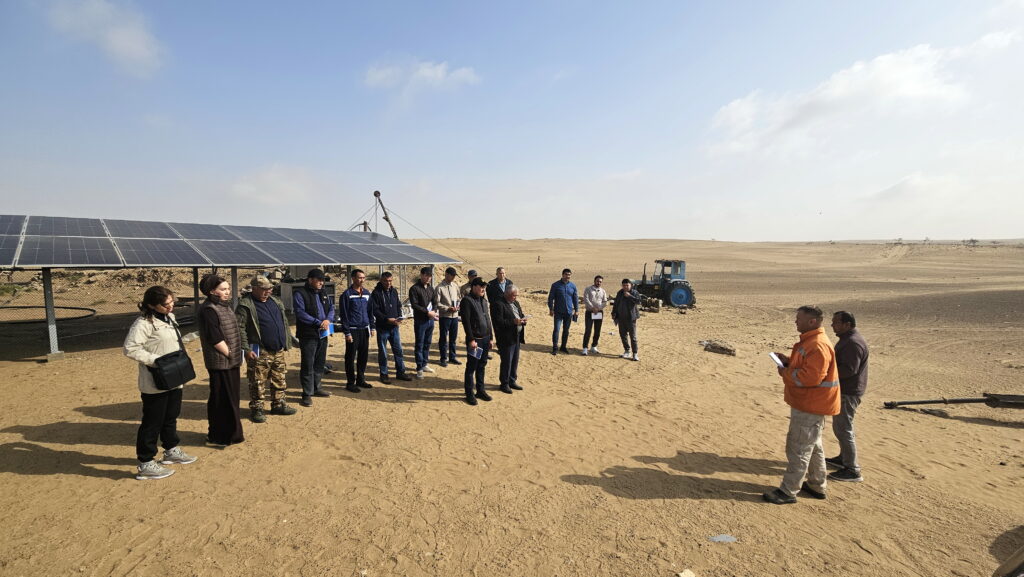
Furthermore, in partnership with the State Association for Livestock and Poultry Industry and the “Maldar” livestock farm, the programme directly implemented sustainable pasture management practices.
The primary focus was placed on rotational grazing i.e. an approach where livestock are moved sequentially between designated pasture plots. This helps regulate grazing intensity, reduce pressure on vegetation cover, and allow specific areas time to naturally recover.
A critical prerequisite for implementing this system was securing reliable water access for the animals. To achieve this, an existing well over 200 meters deep was modernized and retrofitted with an off-grid, solar-powered water pumping station. This technological solution eliminated reliance on fuel-powered equipment and its associated high operational costs, providing a steady water supply for the livestock.
Beyond equipment installation, a sustainable pasture management plan was tailored for the farm, practical training sessions were conducted on operating the solar pumping system, and informative materials on sustainable pasture resource use were published.
As a result of these interventions, grazing pressure was reduced, preventing the degradation of over 1,000 hectares of land. This has paved the way for natural vegetation recovery and an expanded forage base. Meanwhile, the off-grid system provides consistent water access for 200 head of livestock, and 20 shepherds and farm
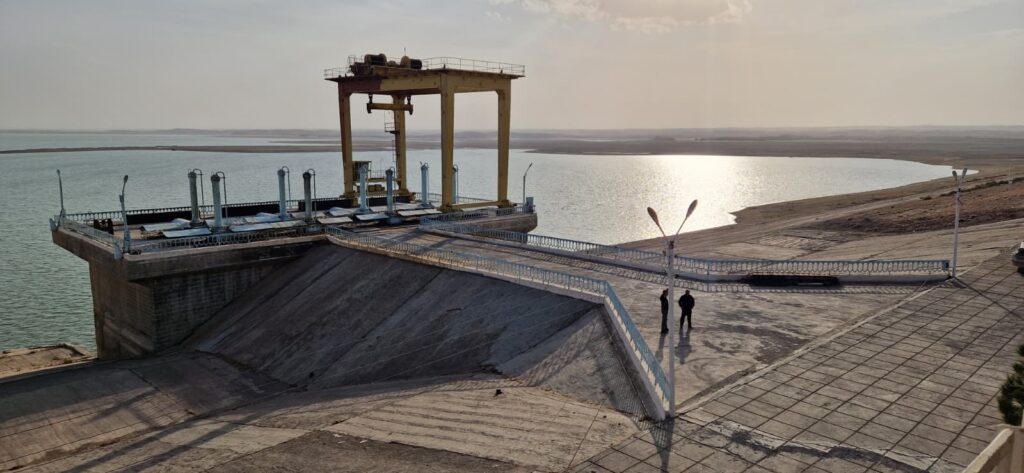
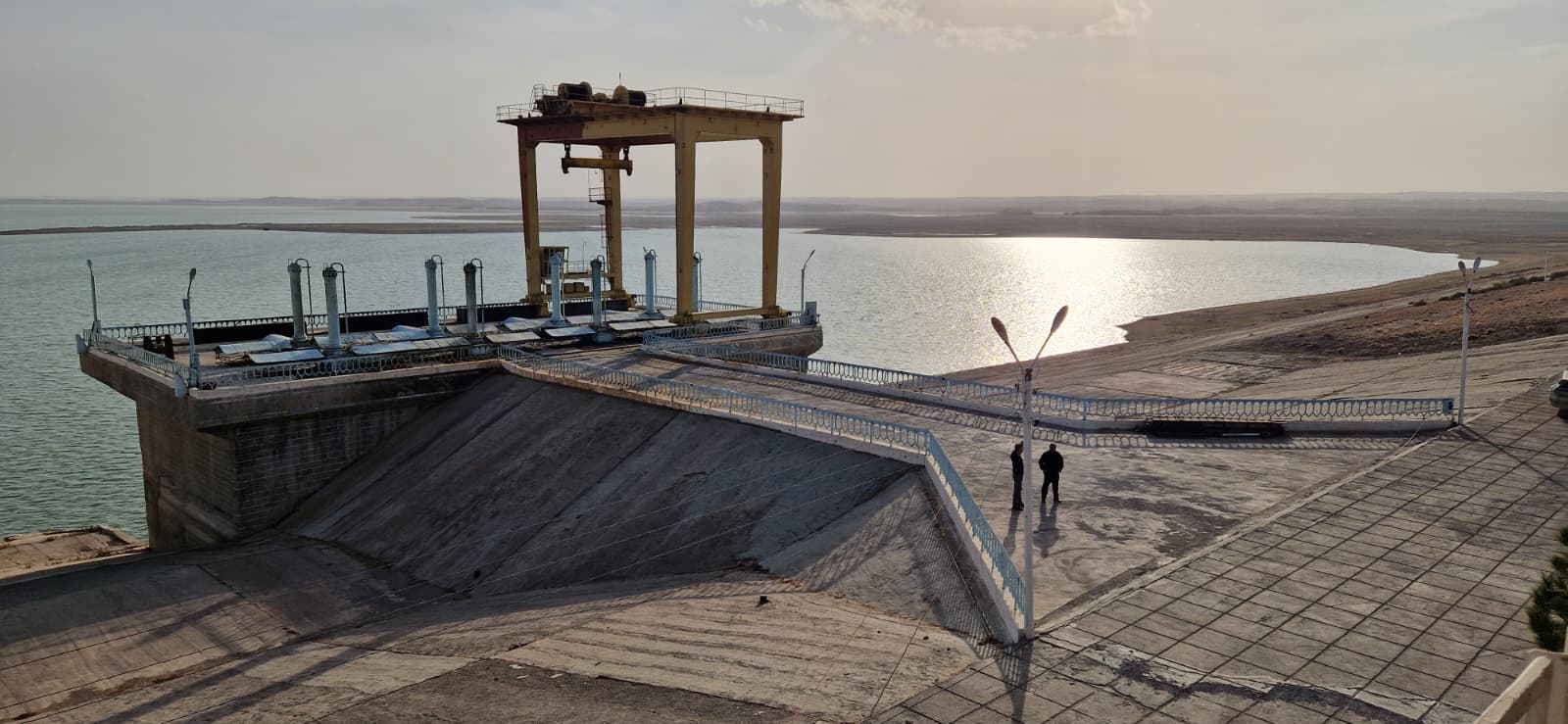
The next measure is being implemented in cooperation with the State Committee for Water Resources of Turkmenistan and local water management authorities. Its objective is to establish an automated water level monitoring system at the Saryyazy Reservoir in Mary Velayat, enabling continuous water level observation and rapid data transmission to water management specialists.
This effort involves installing and testing a video monitoring system to track changes in reservoir water levels and transmit data between Mary Velayat and the central office in Ashgabat. To streamline data processing, a dedicated dashboard is being developed to visualize metrics and facilitate rapid situational assessments. Special attention is given to training local specialists in equipment operation, system utilization and technical maintenance.
The deployment of automated monitoring will improve the availability and speed of acquiring information on the reservoir’s status, support timely water management decision-making and strengthen early warning mechanisms for potential hazards. This is particularly vital in the context of climate change, where growing hydrological variability demands more efficient monitoring.
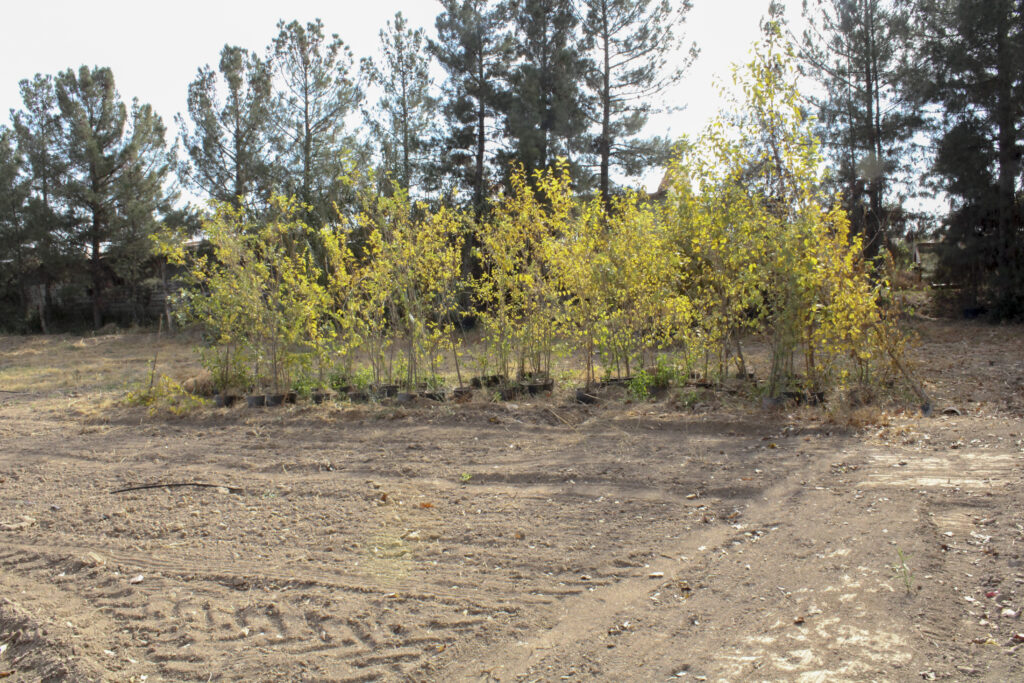
Additionally, plans are underway to set up a 2-hectare demonstration tree nursery. Water-saving irrigation technologies, including drip and sprinkler systems, will be introduced to cultivate planting material that is resilient to high temperatures and water scarcity. Stay tuned for updates on our website.