



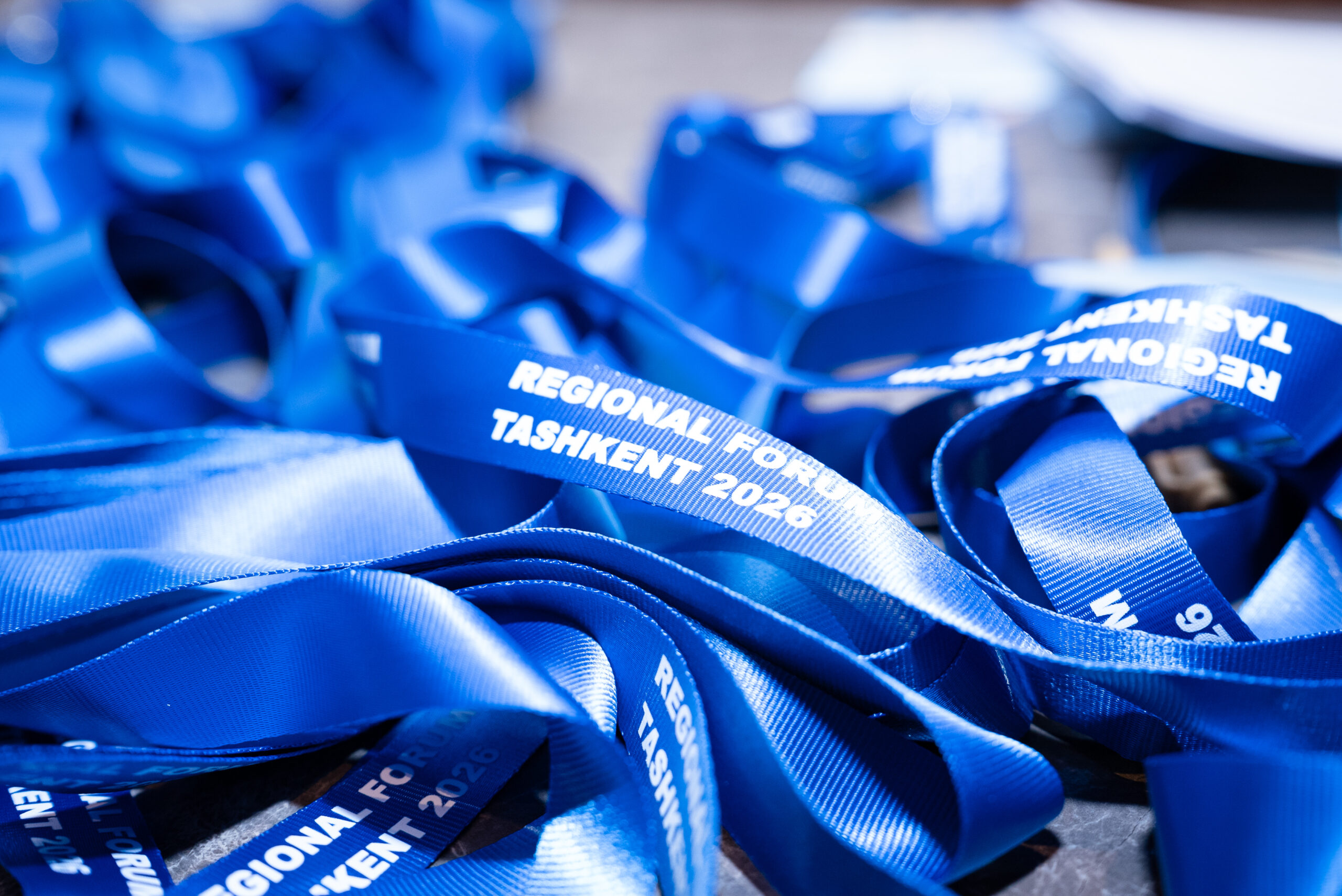
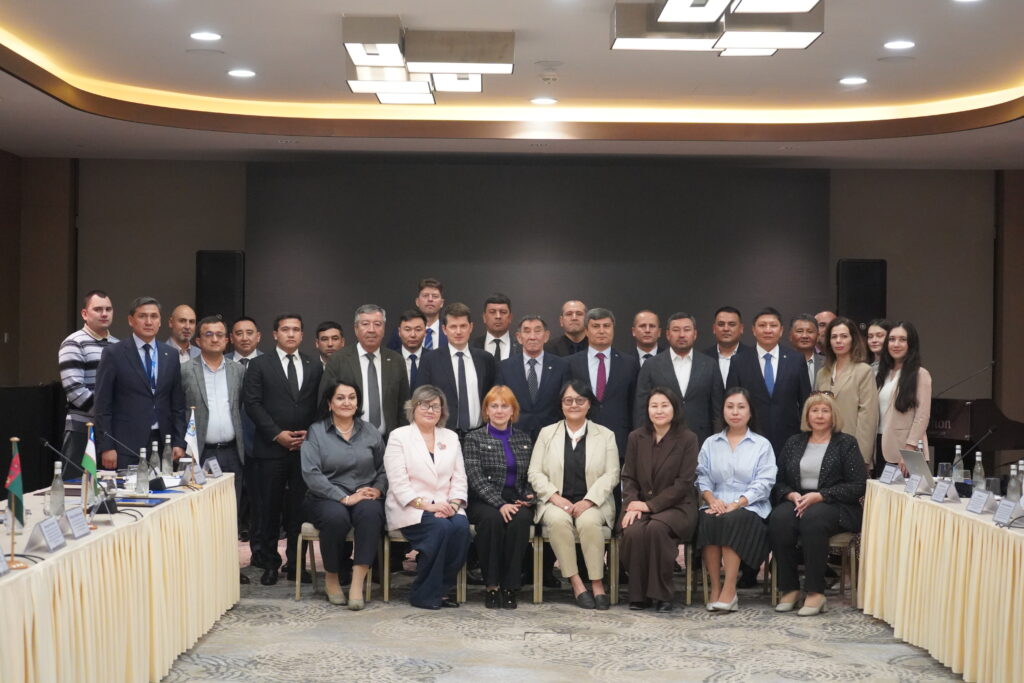
On October 19-20, 2026, Tashkent hosted the regular Regional Forum – Meeting of Heads of Emergency Authorities of Central Asian Countries. It brought together heads of rescue agencies, hydrometeorological services, city authorities, scientists, and international experts to develop mechanisms to protect the region from floods, mudflows, droughts, and earthquakes.
The first day featured thematic expert discussions, while the second day included official ministerial meetings and reports from various regional initiatives on the topic. GIZ supported the event through two projects: the Green Cities team focused on eco-friendly urban planning on the first day, while CRM CA experts focused on shared water resources management and protection against hydrological disasters on both days. CRM CA, together with the World Bank, CESDRR and CAREC, co-organized the Regional Dialogue on strengthening the capacity for safe management of transboundary water resources in Central Asia and mitigating the impacts of transboundary mudflows and floods (Session 2, October 19).
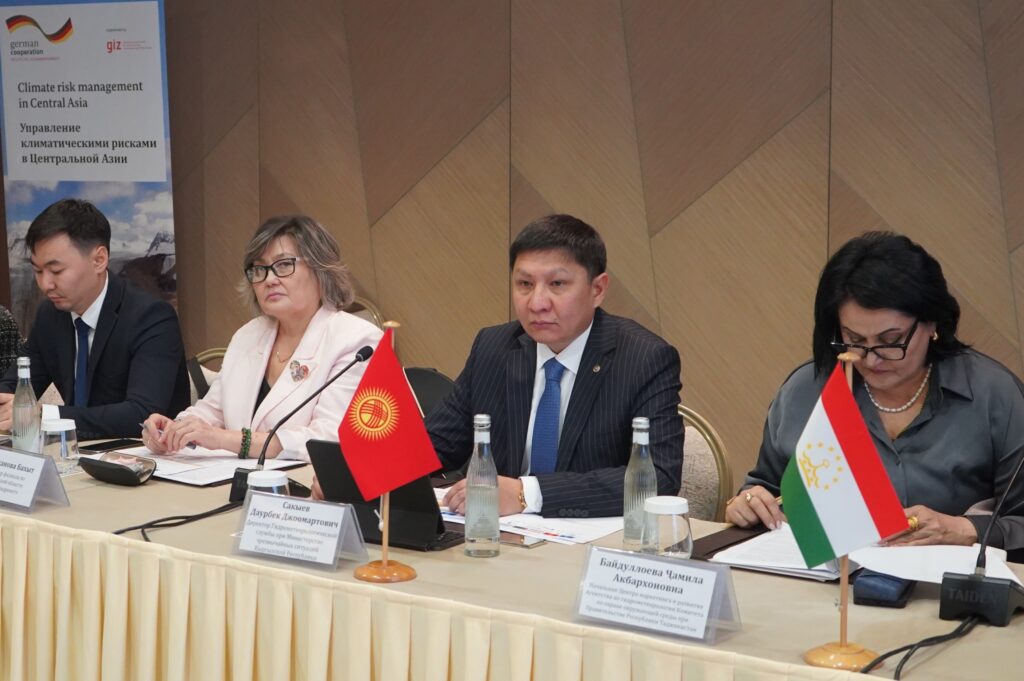
During this session, the meteorological services of Central Asian countries exchanged updates on the current situation. The scale of the problem was clearly described by Daurbek Sakyev, Head of KyrgyzHydromet: in Kyrgyzstan alone, there are 725 mudflow-prone rivers and 370 potentially dangerous mountain lakes. Specialists continuously monitor glacial lakes through satellite and ground observations and have created an atlas of mudflow and flood hazards as well as a catalog of mudflow-prone rivers. A prime example of how this work saves lives is the outburst of the high-altitude Lake Zyndan in 2024. Meteorologists were able to predict the emergency three days in advance. Satellite images from August 9 to 19 showed that the lake was rapidly shrinking and water was draining through hidden underground channels. The information was urgently transmitted to the Ministry of Emergency Situations, and rescuers evacuated over 500 residents from two nearby villages in time. Two days later, when the danger had passed, the people safely returned to their homes.
In Kazakhstan, the main climate threats are associated with spring floods on the plains and mudflow hazards in the mountainous areas of the Almaty, Zhetysu, and Zhambyl regions. The situation is exacerbated by the presence of 74 hazardous industrial facilities and 9 tailings dams in the Kazakh part of the Syr Darya river basin; their flooding threatens ecological emergencies. The situation is monitored by a national network of 442 hydrological posts and the ALEM AI supercomputer, which runs the WRF weather model with a high resolution of 2 km.
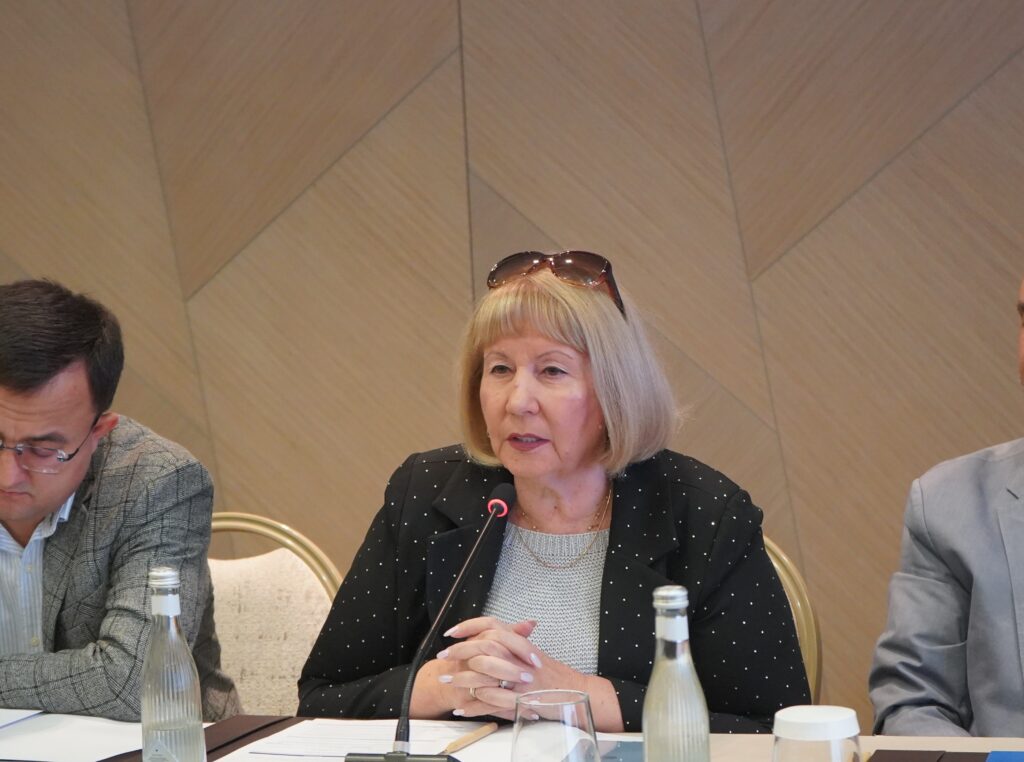
Uzbekistan hosted the forum in Tashkent and is a key participant in all pilot transboundary basins of the climate risk management program (the Ugam, Zarafshan, Amu Darya, and Shakhimardan rivers). In her report, Natalya Agaltseva, Head of the Project Preparation and Monitoring Department at UzHydromet, emphasized the critical importance of protecting the population from floods on rivers flowing from the mountains of neighboring countries. Uzbekistan is testing a dual-circuit online catalog of natural disasters, deploying pilot warning sirens (for example, on the Ugam River), and in accordance with bilateral agreements between hydrometeorological services, exchanging information and storm warnings in transboundary areas.
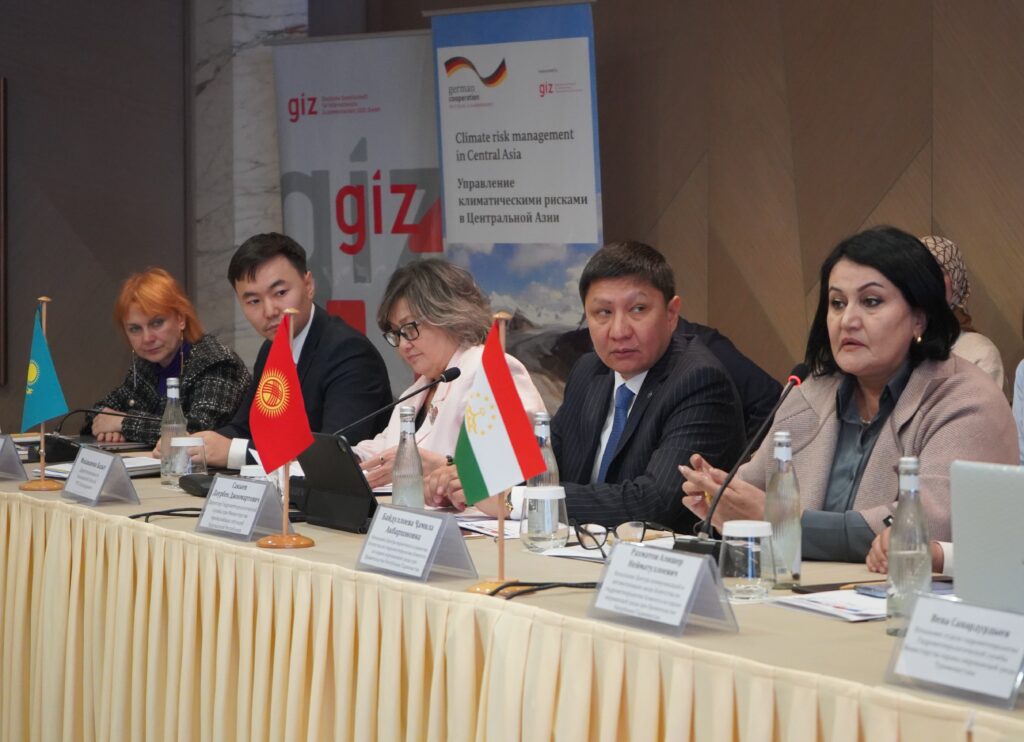
Jamilya Baidullaeva, a meteorologist from the Agency for Hydrometeorology of the Republic of Tajikistan, also shared details of existing bilateral agreements and highlighted the need for an agreement with TurkmenHydromet. Incidentally, within the CRM CA programme, the main focus in Tajikistan is on the transboundary Zarafshan River basin: a modern automatic sensor is being installed at the Dupuli hydrological post, along with 2-3 siren and voice announcement systems in Tajik villages along the riverbed to warn of mudflow dangers.
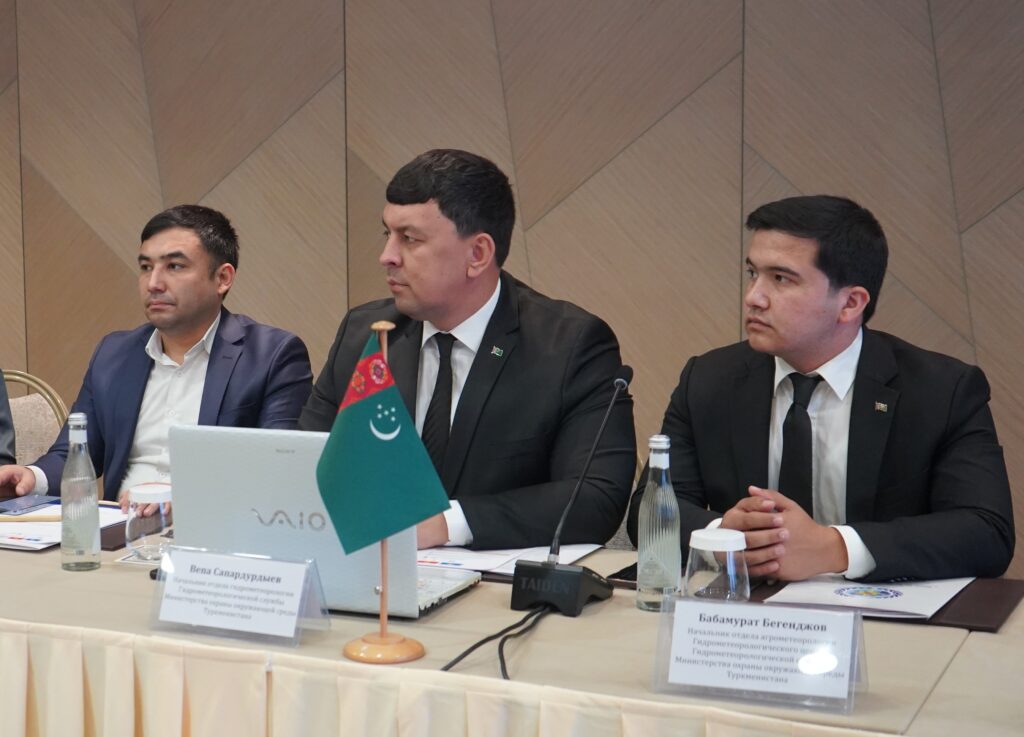
TurkmenHydromet, represented by Vepa Sapardurdyev, Head of the Hydrology Department, concluded the series of presentations by national services, reminding the audience that the country suffers annually from rain floods and mudflows. The phenomena are transboundary: they form in neighboring countries but cause damage in Turkmenistan, making prompt data exchange between the countries critically important. Currently, forecasts are based on basin analysis, synoptic processes, and COSMO models, while warnings are issued in text format specifying the date, territory, and type of phenomenon.
Participants also discussed the progress and challenges of creating a regional early warning system as well as an online catalog of current and projected climate-related transboundary disasters (the RESILAND CA+ project). Besides, the CRM CA programme itself shared plans for installing sirens and automatic stations in the pilot basins. By the end of this year, siren and voice announcement systems will be purchased and installed in the Shakhimardan River basin. Work is currently underway to agree on the technical specifications for automatic stations and sirens in the Ugam, Zarafshan, and Amu Darya river basins. Additionally, joint drought forecasting training is expected in 2027. It is being prepared in partnership with PIK for a pilot area of the Zhambyl region in Kazakhstan. Stay tuned for updates on this website.
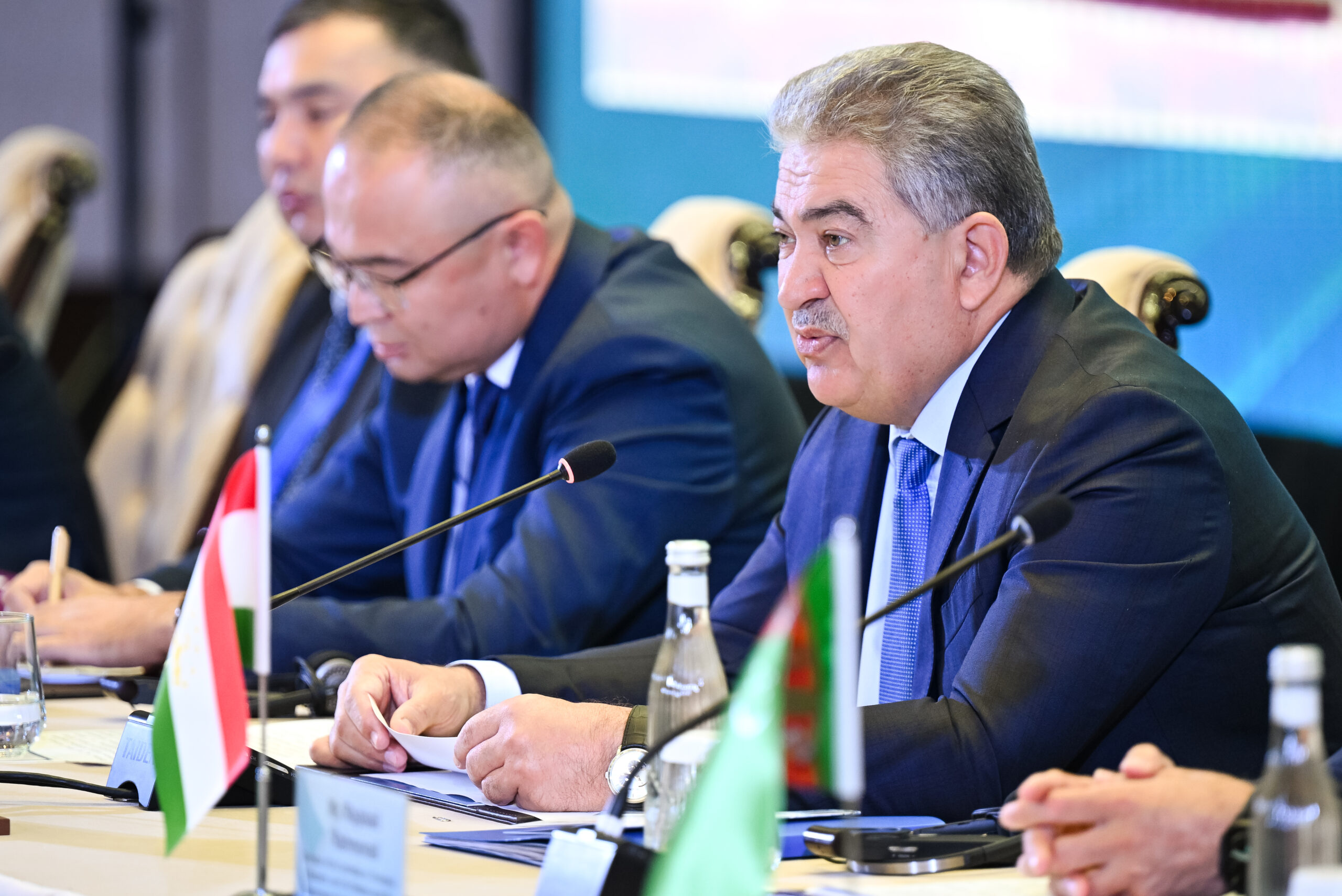
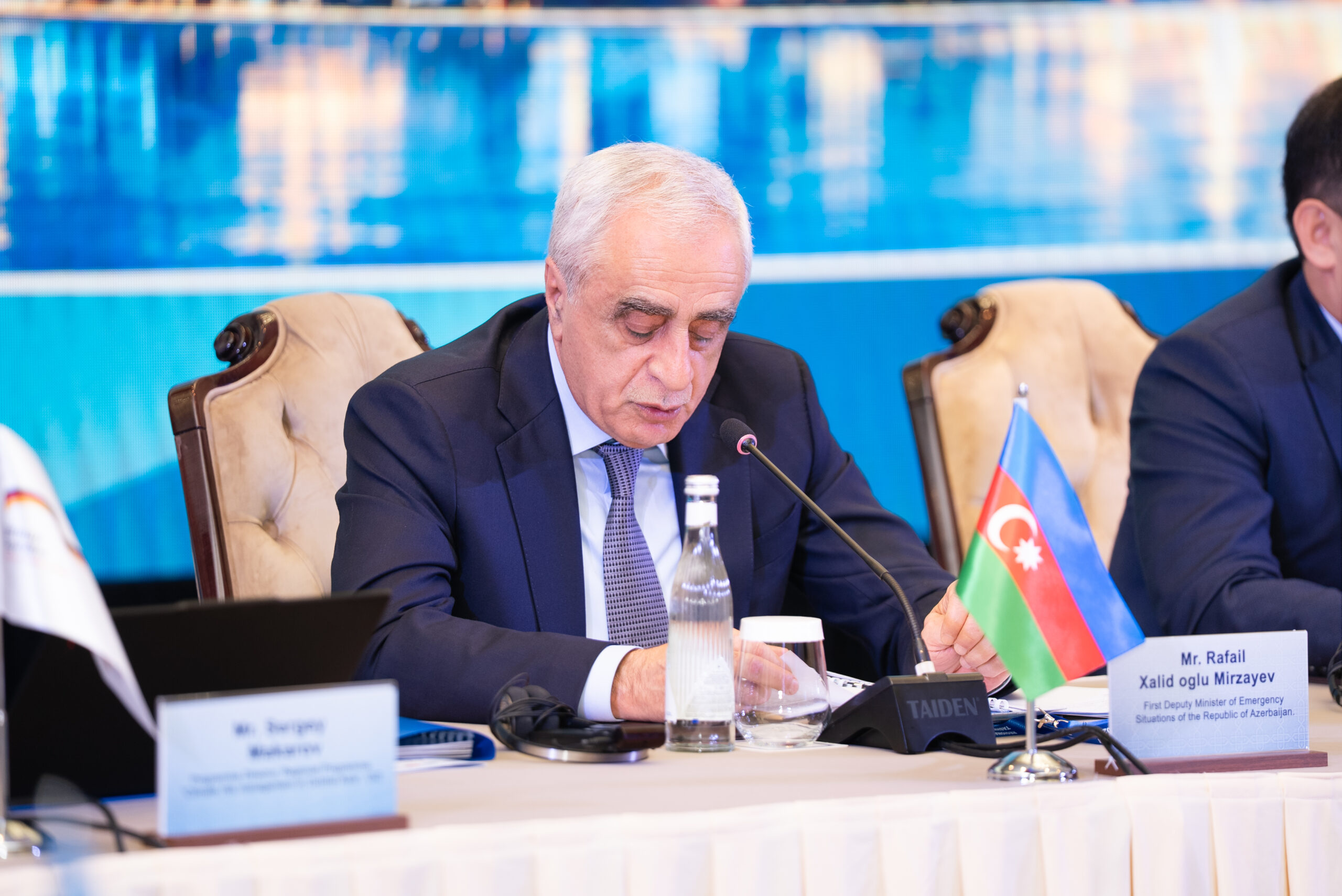
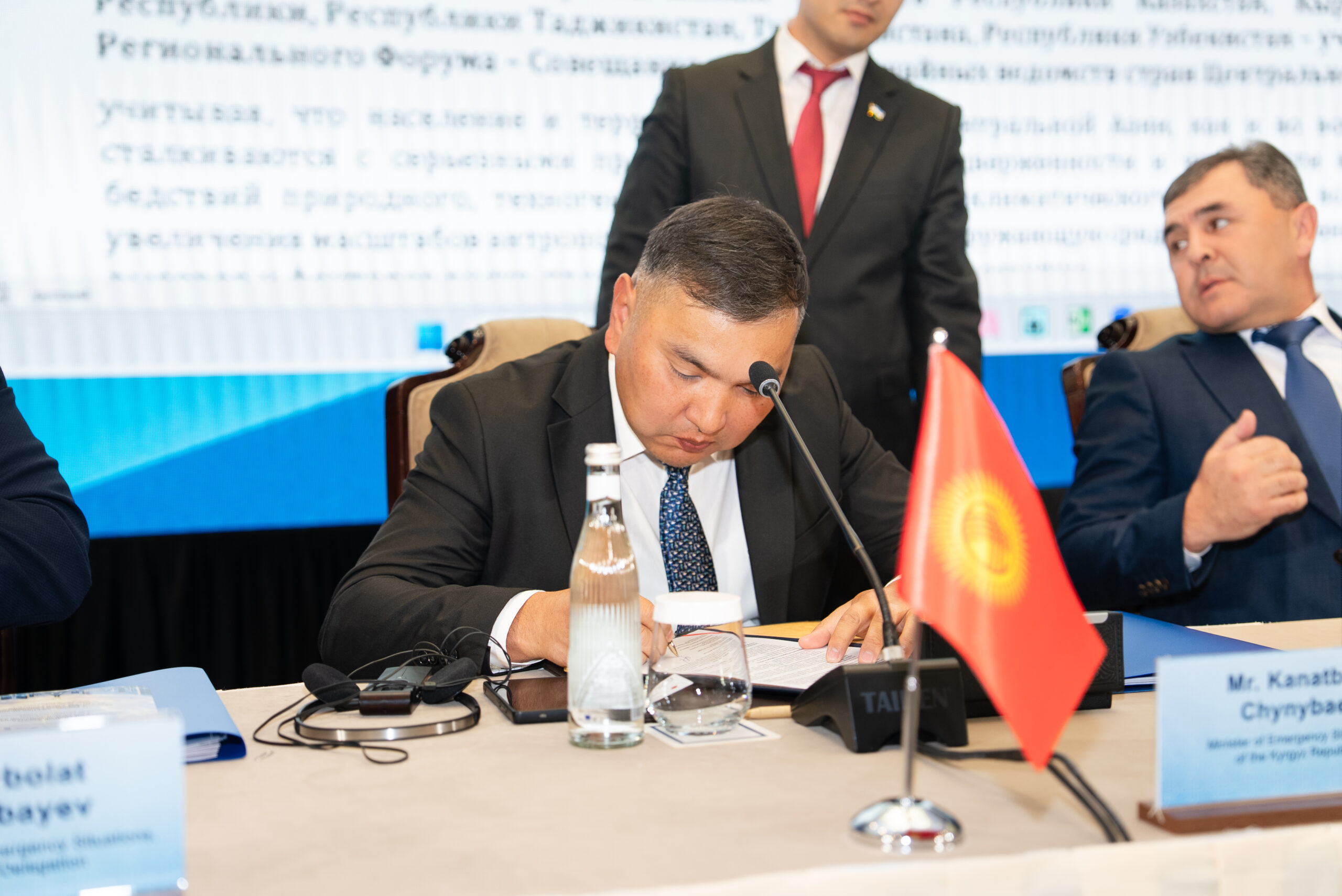
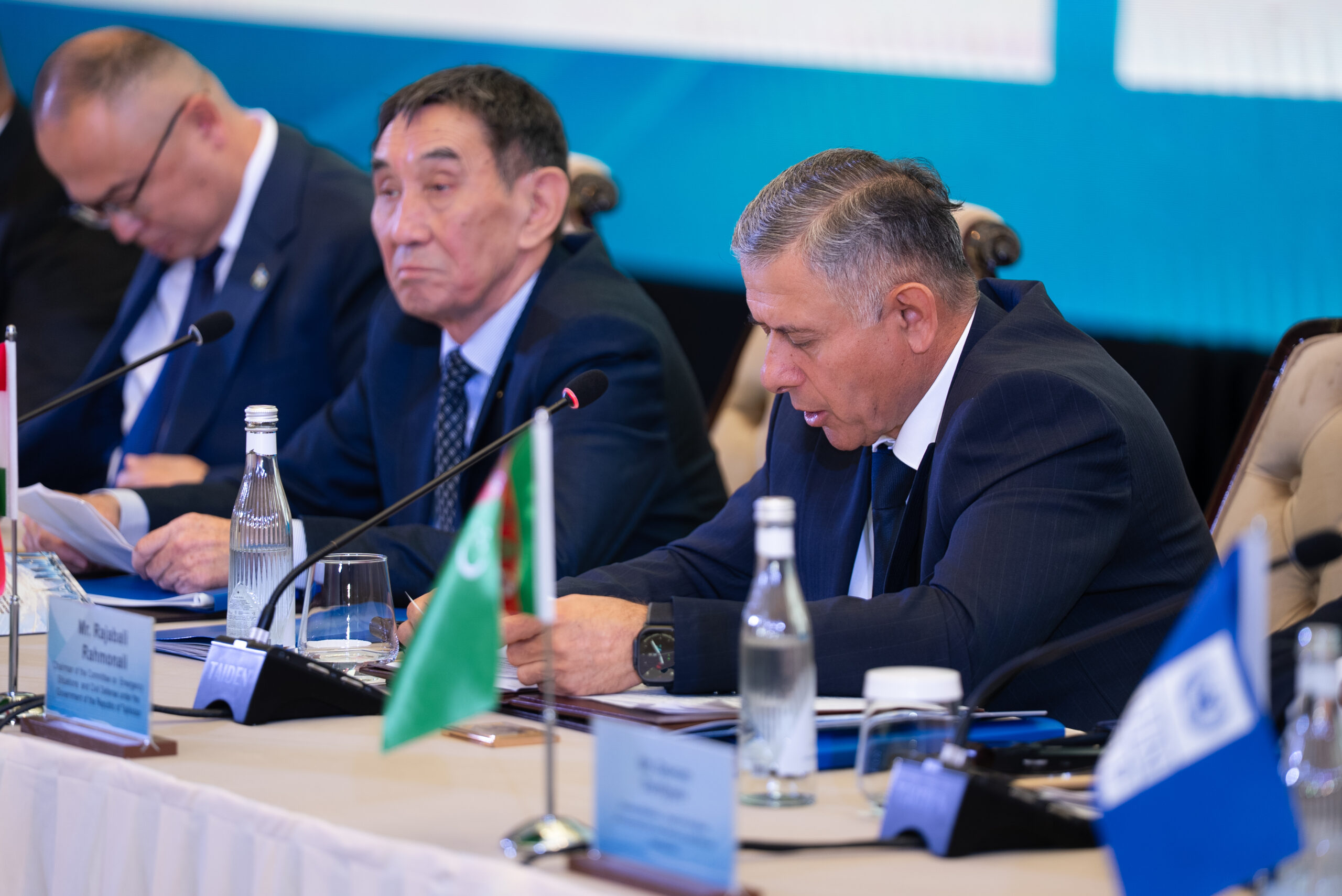
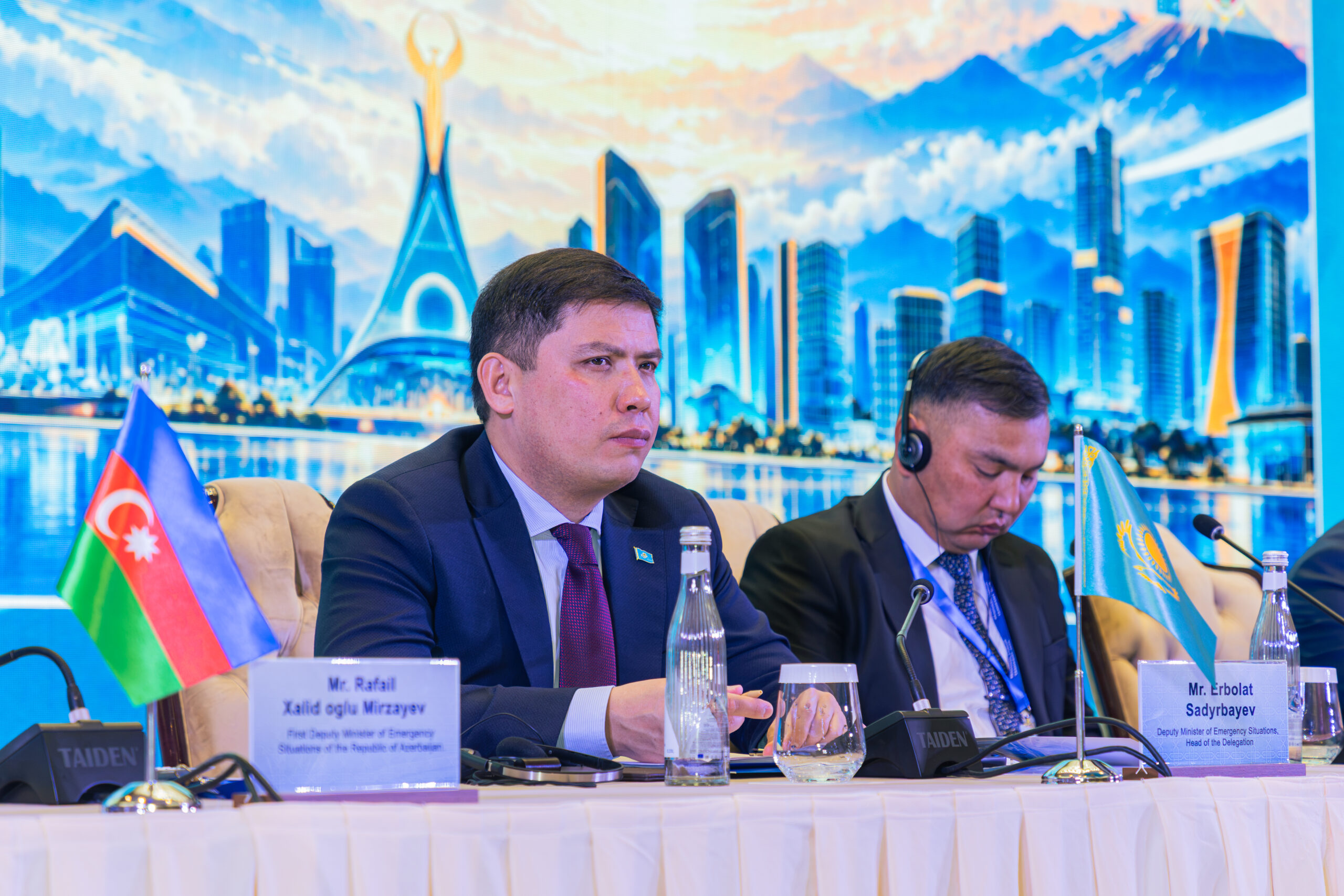
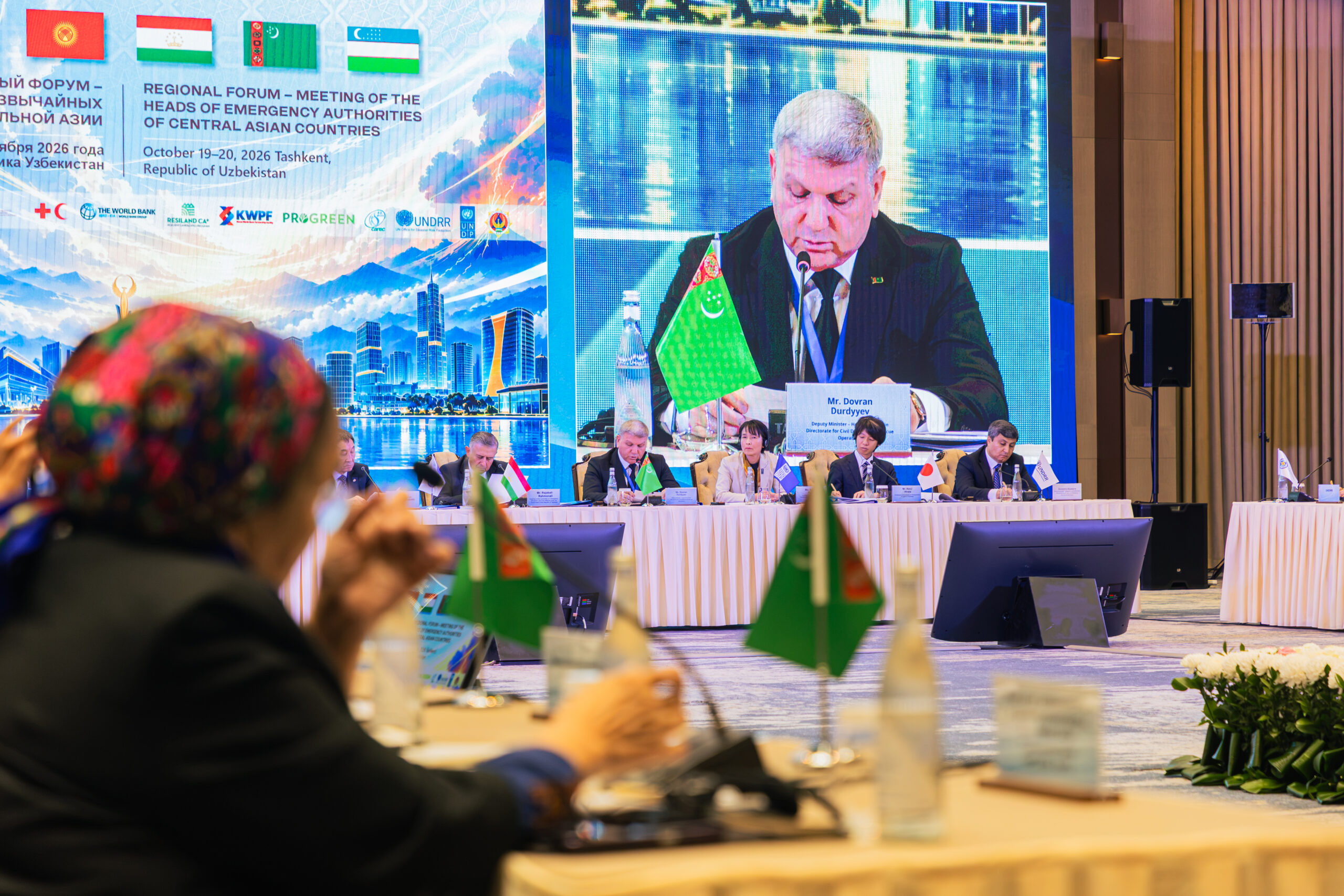
On the second day of the forum, October 20, the heads of the emergency authorities of Central Asian countries summarized the practical outcomes and held bilateral meetings. The forum resulted in the signing of strategic documents: the heads approved a concept for protecting cities from climate change up to 2030 and an action plan to combat common floods and mudflows.
“The agreements reached and regional documents adopted lay the foundation for further coordination of state actions and enhancing our countries’ resilience to emergencies. Our common task is not only to respond to the consequences of disasters but to prevent them in advance,” emphasized representatives of the CESDRR.
The 2026 Forum was organized by the Ministry of Emergency Situations of the Republic of Uzbekistan with the support of GIZ, UNDP with financial support from the Government of Japan, the International Federation of Red Cross and Red Crescent Societies, the World Bank’s RESILAND CA+ programme, and UNDRR The Center for Emergency Situations and Disaster Risk Reduction (CESDRR) serves as the forum’s secretariat.


