




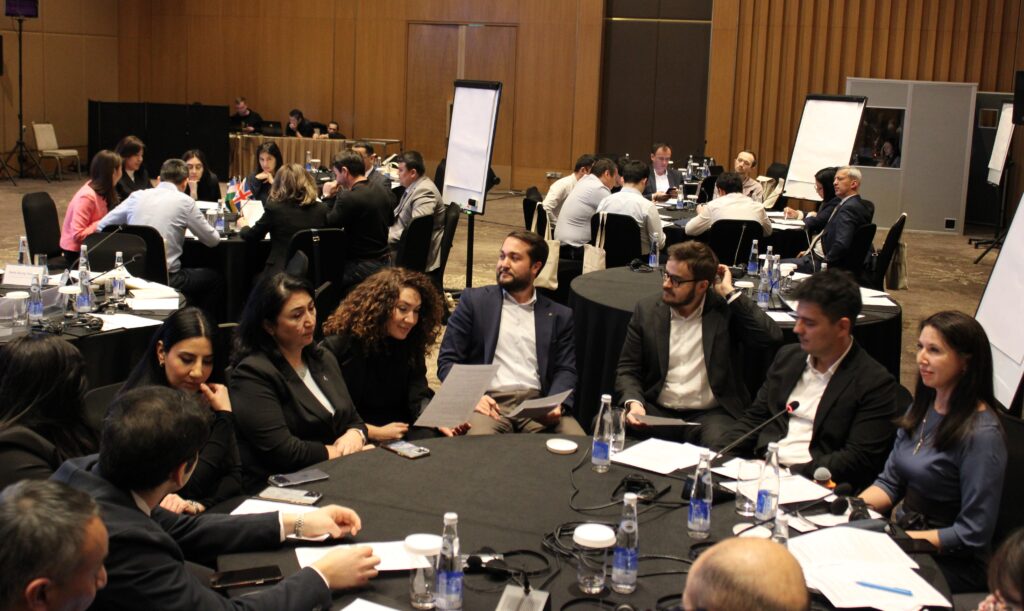
On June 4, 2026, achievements from five regional projects supported by the Small Grants and Climate Innovation Facility (SGCIF) were presented as part of the Eco Expo Central Asia 2026 international exhibition. The Facility was launched in early 2025 to increase the region’s resilience to the adverse effects of climate change and reduce greenhouse gas emissions.
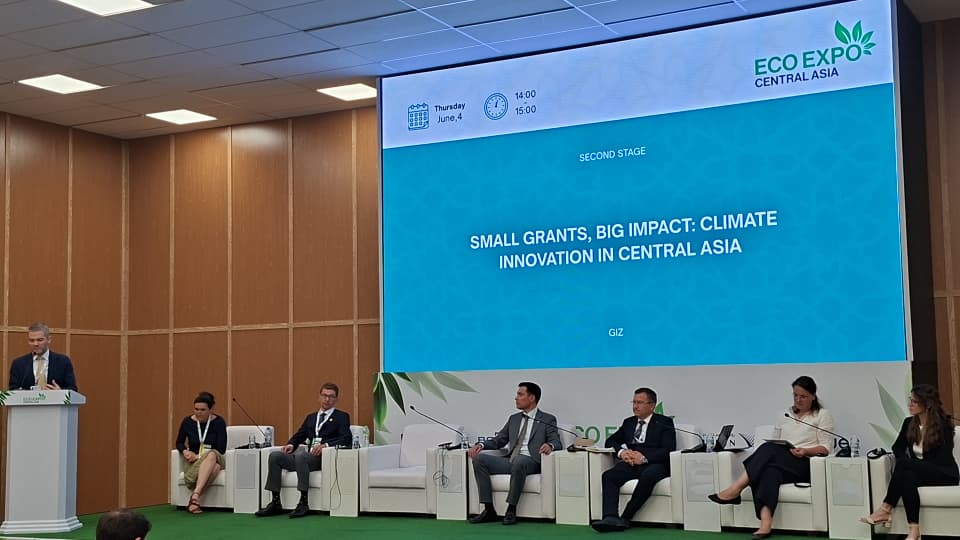
The meeting was opened by Timothy Smart, His Majesty’s Ambassador to the Republic of Uzbekistan, who emphasized the vital importance of joint regional efforts in the fight against climate change. Elena Zanardi, Component Leader of the regional programme “Climate Risk Management in Central Asia”, served as the session’s moderator.
Participants highlighted the significance of financial support in achieving ambitious climate goals and strengthening regional cooperation. They also presented the key results of five regional projects.
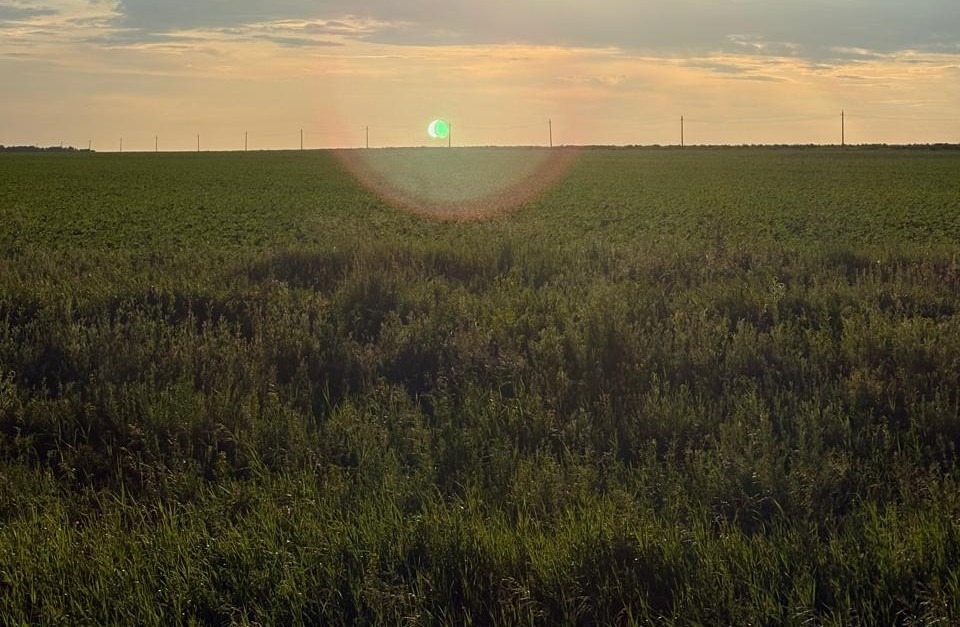
Project №1 “Improving the quality of life of rural communities in Kazakhstan and Tajikistan through the implementation of regenerative agriculture practices, followed by the development and issuance of carbon credits on voluntary carbon markets” implemented jointly by the ECOJER Association and Sharikon Baroi Rushd.
The project has established a comprehensive technical and documentary infrastructure to transform farmers’ environmental achievements into a financial asset i.e. carbon credits.
During the implementation, pilot sites with a total area of over 30.000 hectares were established (20.000 ha in Kazakhstan and 10.581 ha in Tajikistan). On these sites, the international VM0042 methodology, adapted to the region’s specific conditions, was implemented, and Soil Organic Carbon (SOC) modelling was conducted.
Experts developed Monitoring, Reporting and Verification (MRV) framework and prepared the groundwork for registration in the Verified Carbon Standard (VCS) registry.
The use of innovative digital tools, such as a mobile-accessible knowledge platform and the “VM0042 Assistant” Telegram bot, combined with specialist training, provided agricultural producers with practical mechanisms to enter voluntary carbon markets and access direct climate finance.
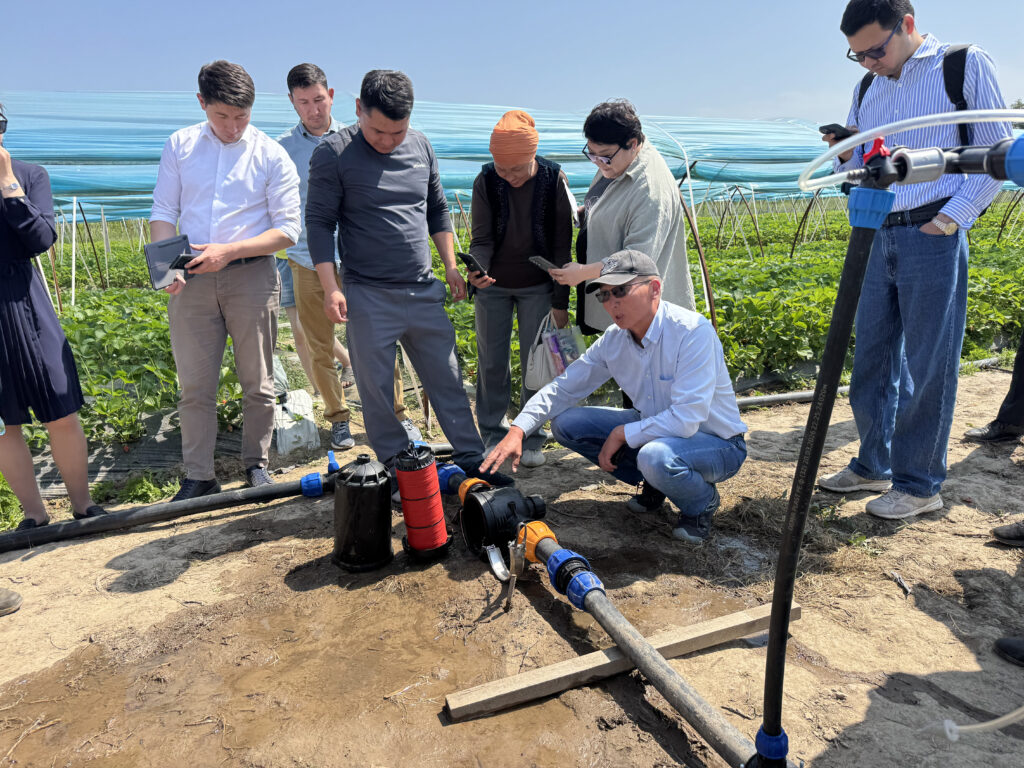
Project 2 “Setting frame conditions for mass scaling of energy innovations in Tajikistan’s and Kyrgyzstan’s agricultural systems” implemented by Welthungerhilfe (WHH), Bargi Sabz and the Center for Renewable Energy and Energy Efficiency Development (CREEED).
The project is designed to transform the agricultural sector by scaling up four climate-smart technologies: solar pumps, electric fencing, drip irrigation, and solar fruit dryers.
During implementation, 22 roadshows were conducted for over 3270 participants, while extensive nationwide media and SMS campaigns reached more than 480.000 people, raising awareness about the benefits of renewable energy.
The project provided professional training and certification for 350 technicians, engineers, and farmers, and established 8 demonstration sites where these innovative low-emission solutions are presented in action. These efforts have created the necessary market conditions and a platform for the wide adoption of sustainable energy practices in the region’s agriculture.
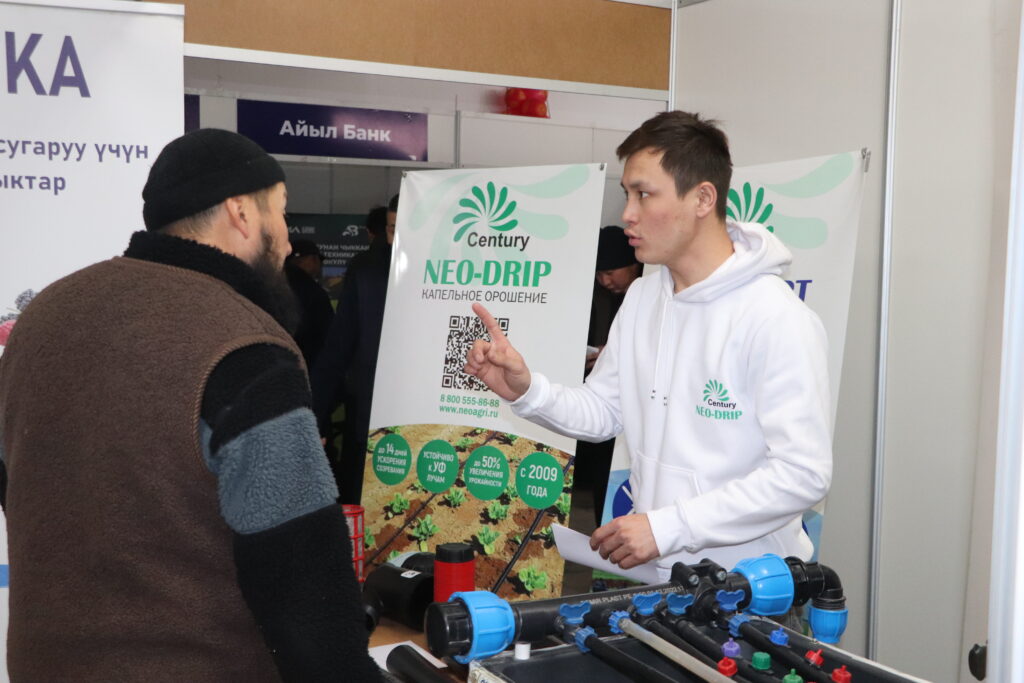
Project 3 “Ferghana Valley Irrigation Partnerships Project” implemented by Helvetas and the Youth of Osh.
This initiative focused on introducing water-saving technologies in water-scarce areas to improve crop yields and the resilience of the agricultural sector to climate change. As part of the project, five “Agro-Caravan 2026” specialized trade fairs were held, bringing together 23 equipment suppliers, 13 financial institutions, and over 1275 farmers.
A practical result of these events was a significant increase in investment in sustainable irrigation: the sales volume of modern technologies (including geomembrane-lined reservoirs and irrigation pipes) exceeded €145.000. Furthermore, the project introduced an innovative instalment-based financing mechanism, which has greatly facilitated access for agricultural producers to expensive climate-smart equipment.
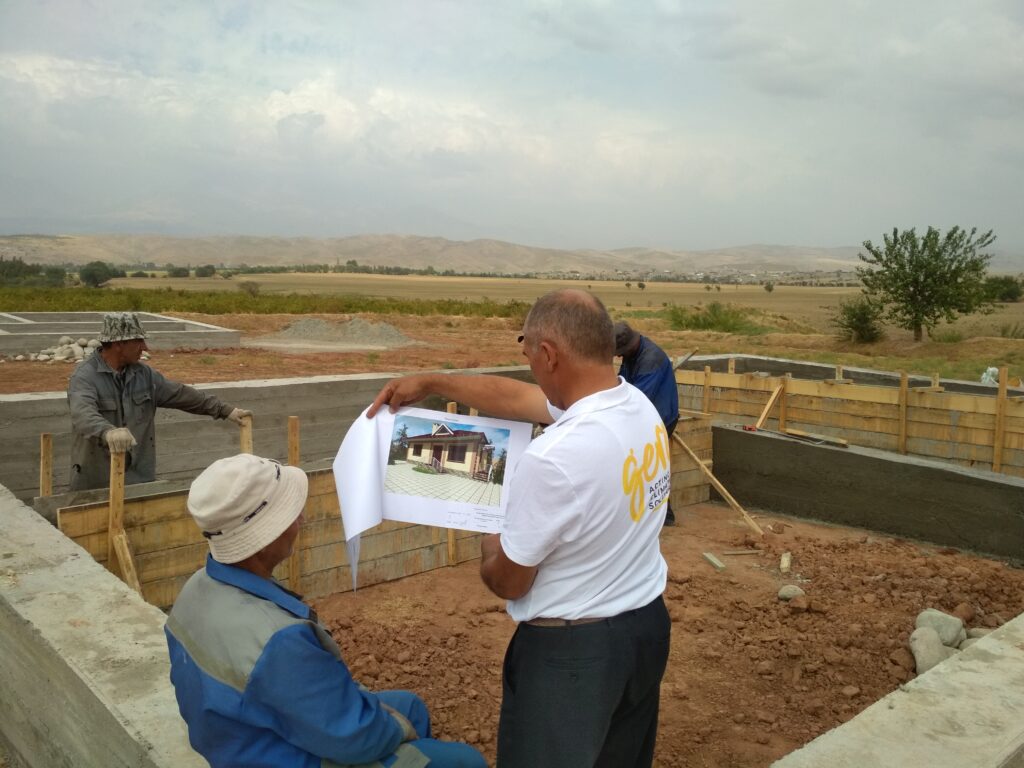
Project 4 “Green Homes Central Asia Initiative: Building Healthy, Climate-Resilient Homes in Central Asia” implemented by GERES and Camp Alatoo.
This project aimed to reduce CO2 emissions and enhance living conditions in rural and peri-urban areas of Tajikistan and Kyrgyzstan by promoting low-energy consumption (LEC) housing and energy-efficient retrofitting.
To date, 1040 individuals have adopted these methods, and in Tajikistan, agreements have been signed for the construction of 144 LEC houses, which are estimated to reduce emissions by approximately 308 tCO₂e annually.
The initiative developed five standard energy-efficient house designs and digital tools, such as an energy-saving calculator, while providing specialized training for staff at design institutes and financial organizations.
These efforts have established a foundation for large-scale implementation of technologies that can reduce CO2 emissions by 30% while simultaneously improving indoor thermal comfort for residents.
You can learn more about the project results in Tajikistan here and in Kyrgyzstan here.
Project 5 “Bridging the gaps of climate finance in Central Asia” implemented by the Global Green Growth Institute (GGGI) in partnership with the Ministry of Economy and Finance of the Republic of Uzbekistan and the Ministry of Economy and Commerce of the Kyrgyz Republic.
The project focused on creating conditions for a “green” transition in the financial sectors of both countries by improving policy frameworks, building institutional capacity, and mobilizing investment.
A significant practical outcome has been the design and structuring of mechanisms for green and sustainable bonds for specific financial institutions, such as Aiyl Bank in Kyrgyzstan and the Business Development Bank in Uzbekistan, with a combined potential to mobilize at least $100 million.
Furthermore, 85 financial experts have been trained, and specialized “green banking” training cycles were organized for Uzbek commercial banks to implement Environmental and Social Management Systems (ESMS) and ESG reporting standards, providing a long-term basis for effective climate finance deployment in the region.


