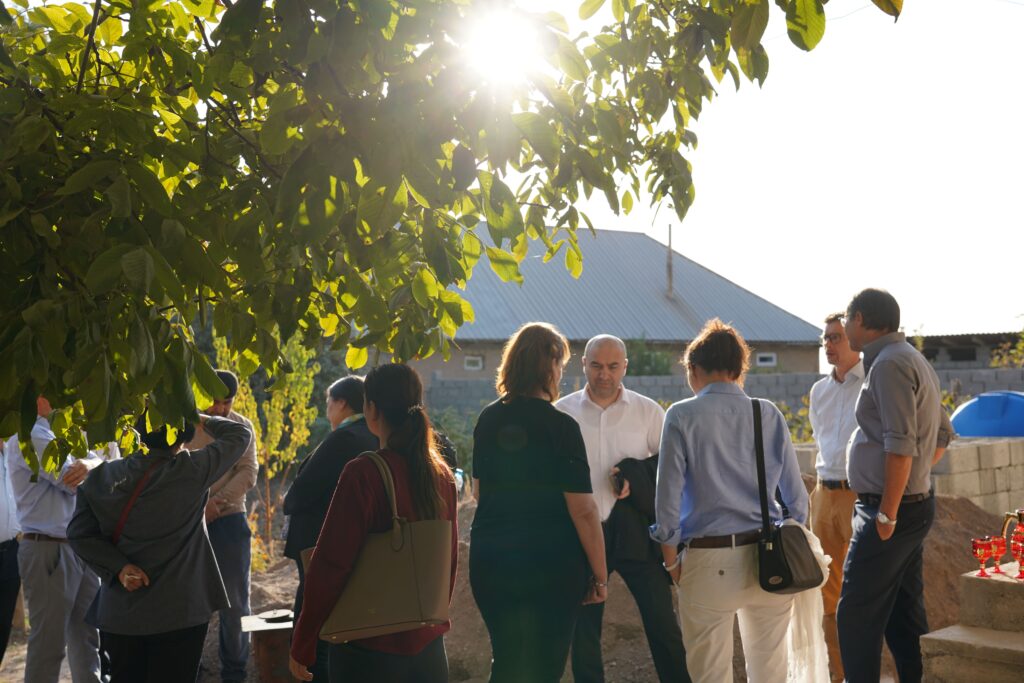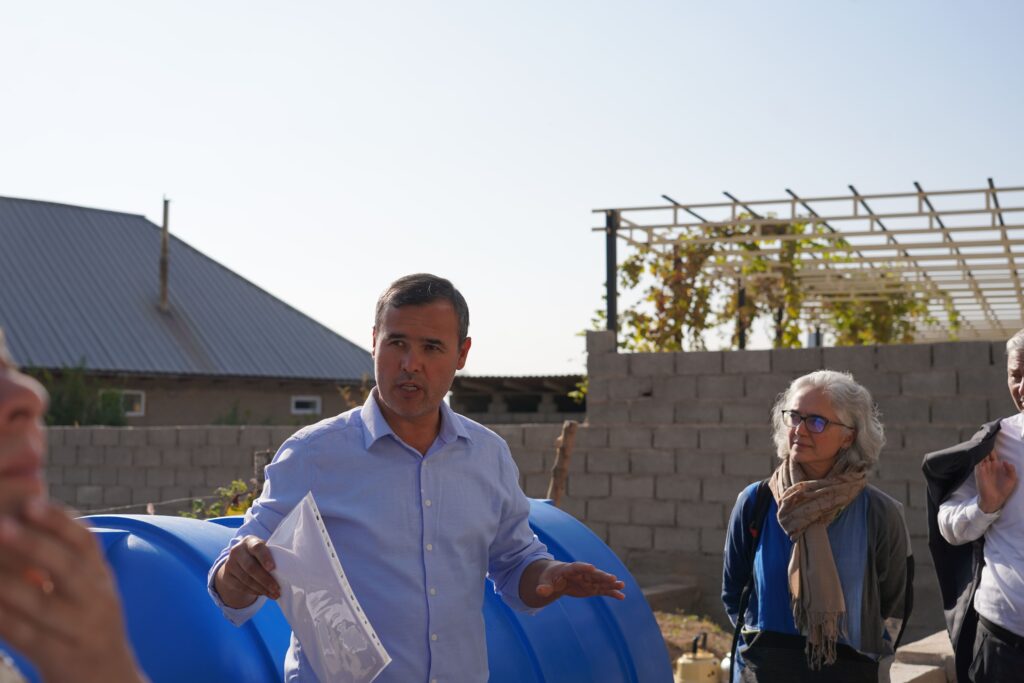
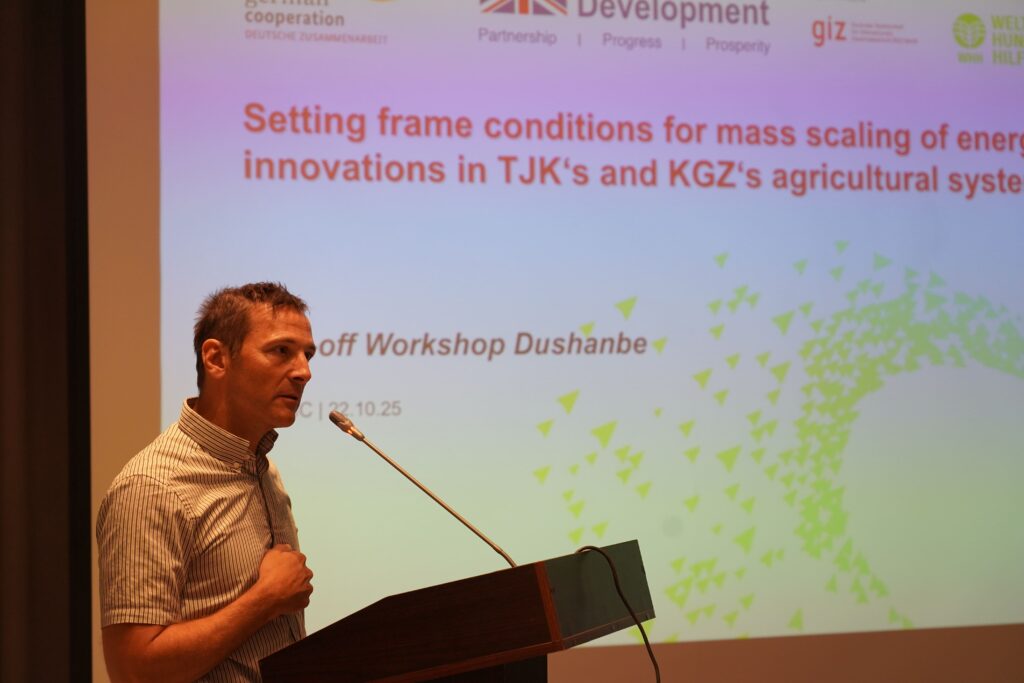
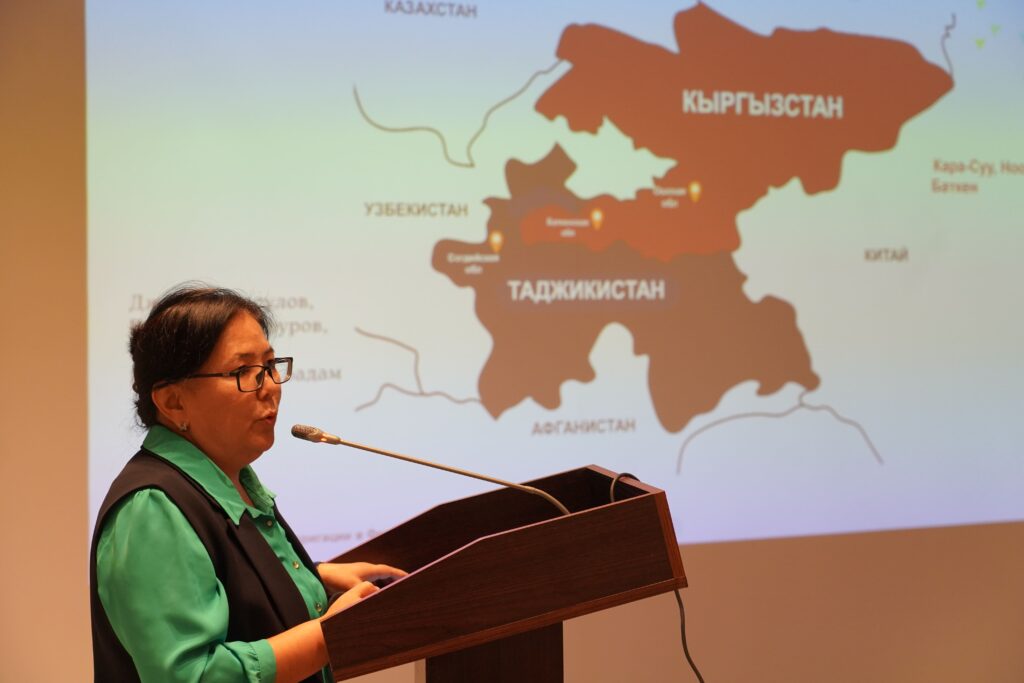
On 22 October 2025, Dushanbe hosted a regional seminar to mark the official launch of four new climate-resilience projects implemented in Tajikistan and other Central Asian countries under the Small Grants and Climate Innovation Facility (SGCIF).
The new initiatives aim to strengthen the adaptive capacity of rural communities and promote climate-smart solutions across key sectors — from regenerative agriculture and efficient water use to renewable energy and energy-efficient housing. Collectively, they highlight the growing regional cooperation in addressing shared climate challenges.
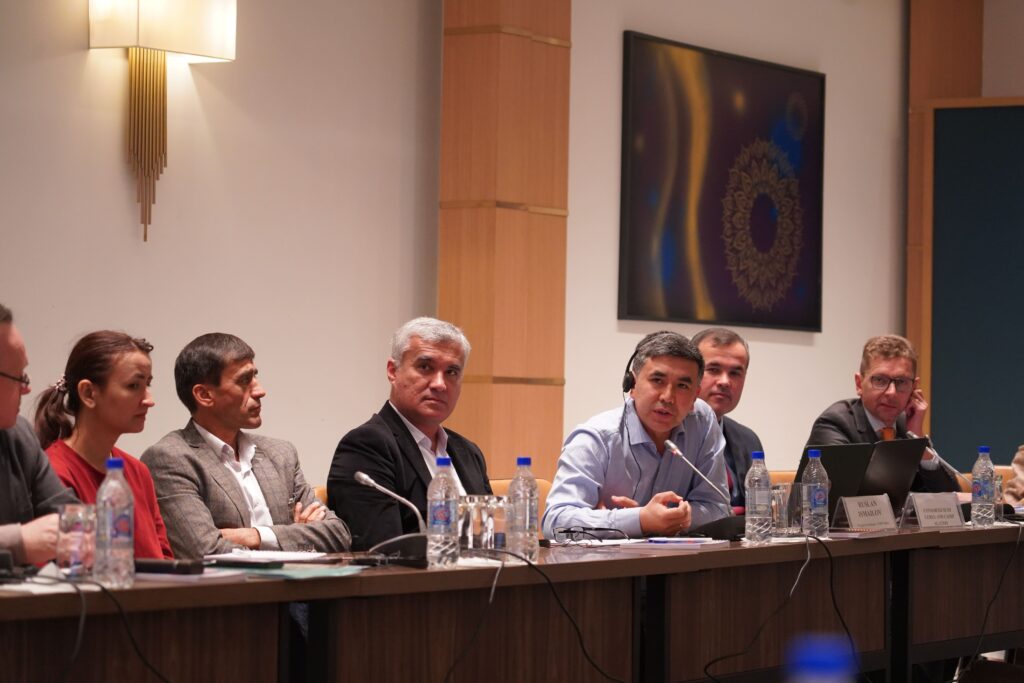
The event welcomed the British Ambassador to Tajikistan and the Ambassador of the Federal Republic of Germany to Tajikistan, as well as the representative from Environmental Protection Committee under the Government of Tajikistan. It brought together 50 participants representing development partners, civil society organisations, water user associations, and local companies.
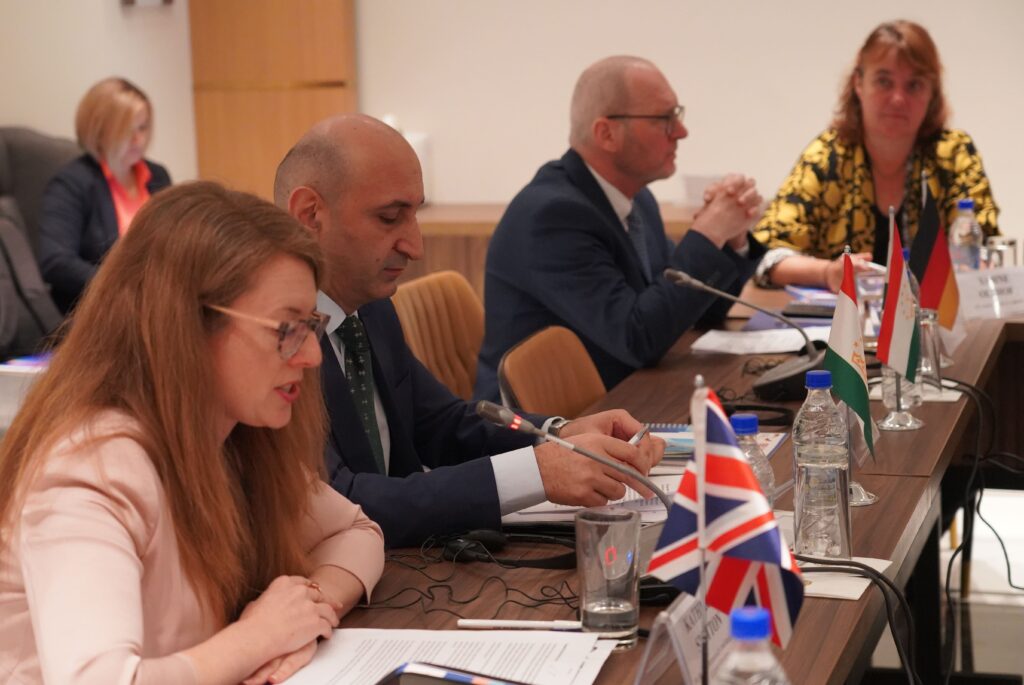
“Through these projects, UK supports organizations that introduce practical, community-based solutions. For Tajikistan, this means better access to innovative technologies and stronger rural livelihoods, while for the region, it means sharing lessons and scaling up solutions that work”, highlighted Ms. Katherine Smitton, His Majesty’s Ambassador and Ambassador of United Kingdom to Tajikistan.
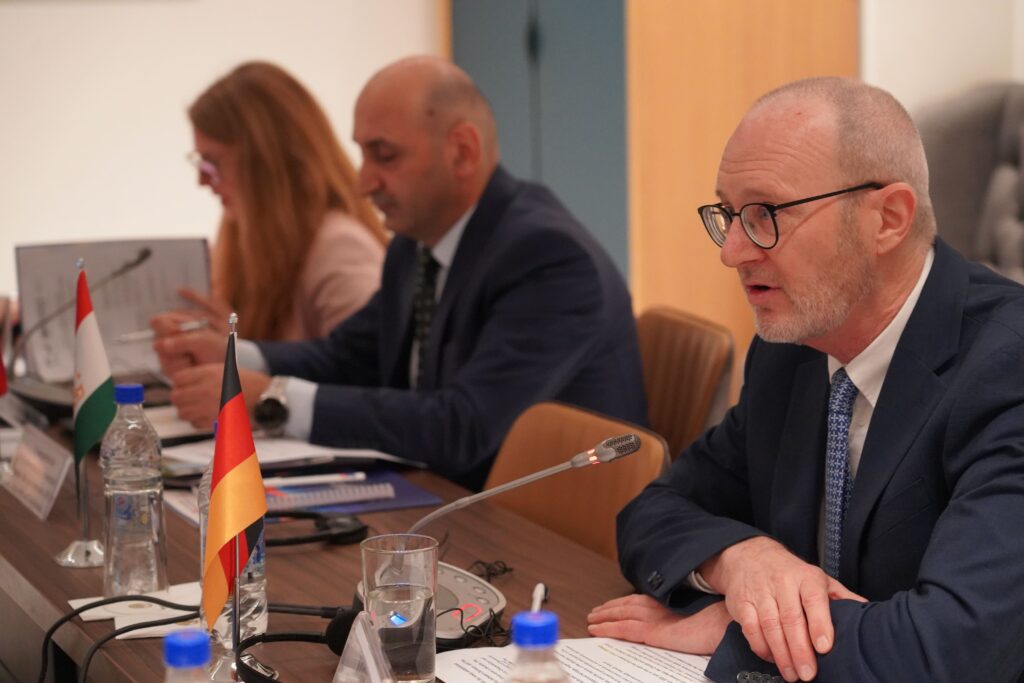
“Germany does not see these initiatives as isolated projects, but as building blocks of a broader future – a climate-resilient, well-connected Central Asia where communities are empowered to take local action and benefit from regional solidarity”, stated Mr. York Schuegraf, Ambassador of the Federal Republic of Germany to Tajikistan.
The four projects launched include:
- Improving the quality of life of rural communities in Kazakhstan and Tajikistan through the implementation of regenerative agriculture practices, followed by the development and issuance of carbon credits on voluntary carbon markets. The project led by ECOJER and Sharikon Baroi Rushd will provide training to farmers in the Rudaki, Vahdat, and Fayzobod districts of Tajikistan on regenerative agriculture techniques. These practices help to restore soil health, enhance ecosystem services and improve crop yields whilst also contributing to carbon sequestration.
- Setting frame conditions for mass scaling of energy innovations in Tajikistan’s and Kyrgyzstan’s agricultural systems, implemented by Welthungerhilfe together with Bargi Sabz and CREEED. A new project aims to transform agriculture in rural Tajikistan and Kyrgyzstan and improve market access by training local companies on the adoption of four proven climate-smart technologies: solar pumping, solar fencing, drip irrigation, and solar fruit dryers.
- Ferghana Valley Irrigation Partnerships Project, jointly carried out by Helvetas and Youth of Osh. At the heart of the project are six trade fairs, designed to connect 900 farmers with irrigation suppliers and financial institutions. These events will showcase modern, water-saving technologies, offer hands-on demonstrations, and provide financing options to help farmers make the switch.
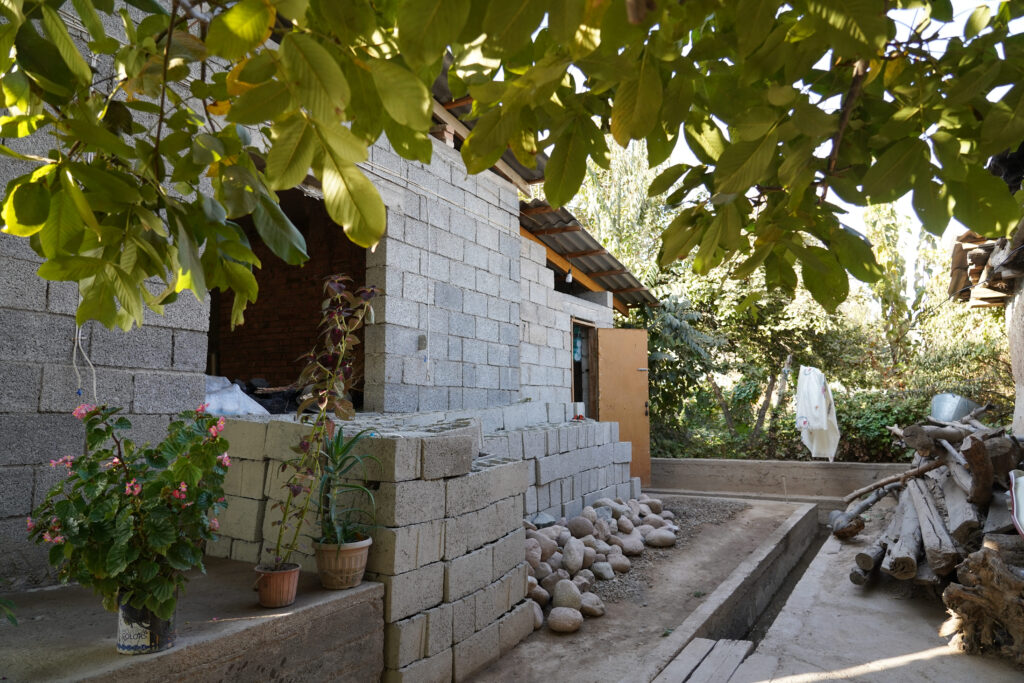
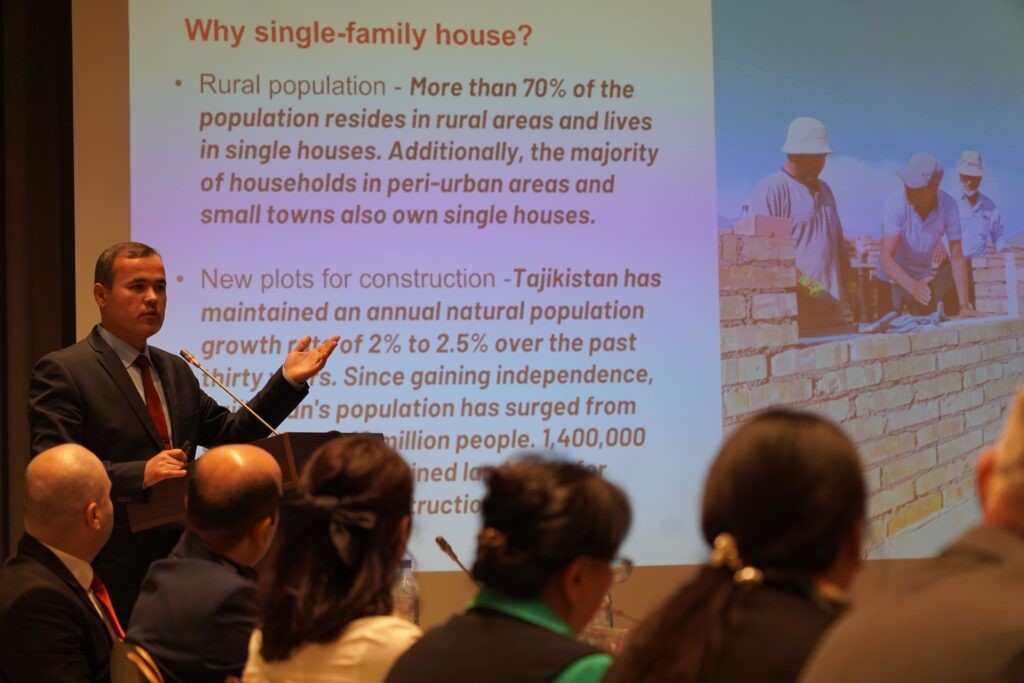
- Green Homes Central Asia Initiative: Building Healthy, Climate-Resilient Homes in Central Asia, implemented by GERES and Camp Alatoo, focuses on promoting low-energy housing and energy-efficient retrofitting in rural and peri-urban areas of Tajikistan and Kyrgyzstan. The initiative demonstrates how sustainable construction can reduce CO₂ emissions by up to 30% while improving household health, comfort, and livelihoods.
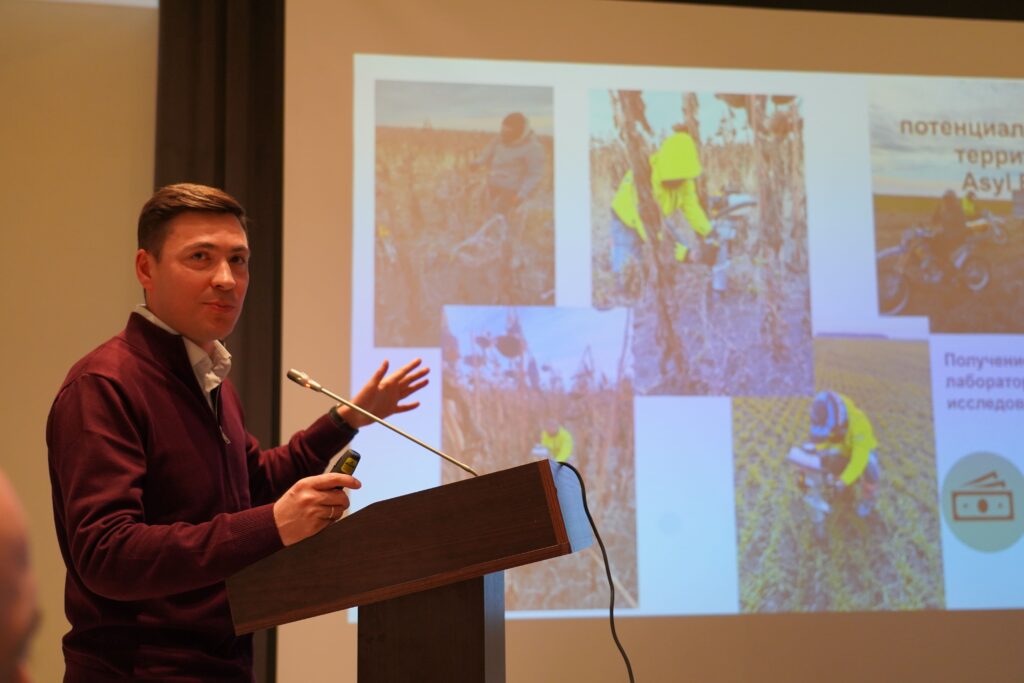
After the seminar, participants visited Hissar, where they were able to see a thermo-isolated model house being modernized as part of the GERES project.
The projects are implemented under the Small Grants and Climate Innovation Facility (SGCIF), which is funded by UK International Development. SGCIF is a part of the regional programme “Climate Risk Management in Central Asia”, implemented by GIZ on behalf of the German Government.
By supporting innovative, locally benefitting projects, SGCIF aims to strengthen resilience to climate change, reduce greenhouse gas emissions, and create replicable solutions for communities across Central Asia. The Facility reflects a broader commitment by the UK, Germany, and their regional partners to foster regional connectedness, share methodologies, and promote cross-border collaboration in building a sustainable and climate-resilient future for Central Asia.