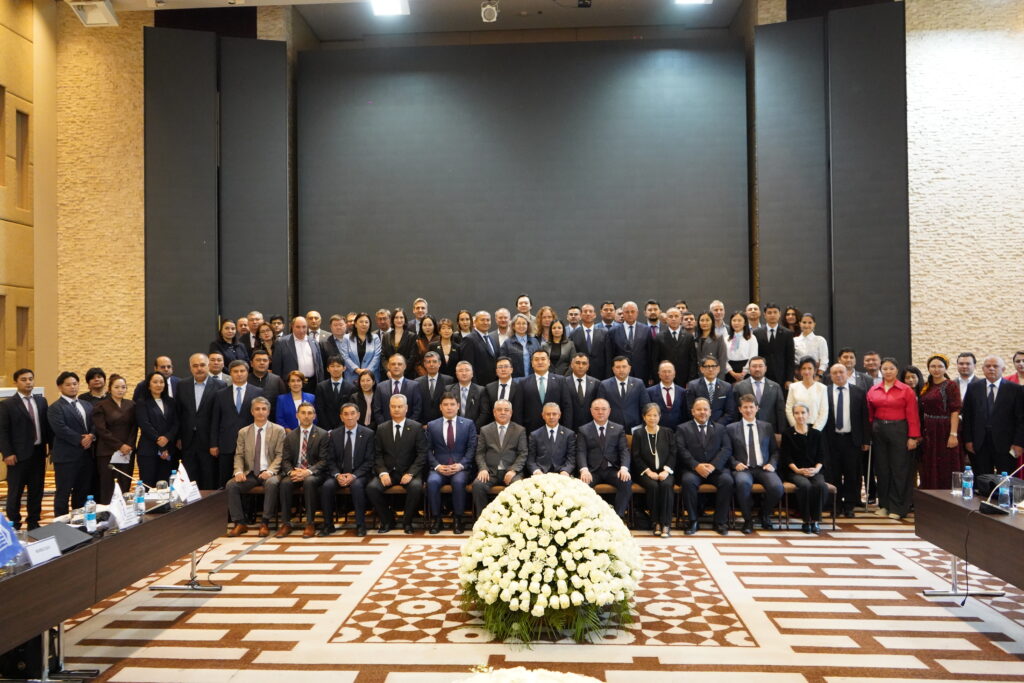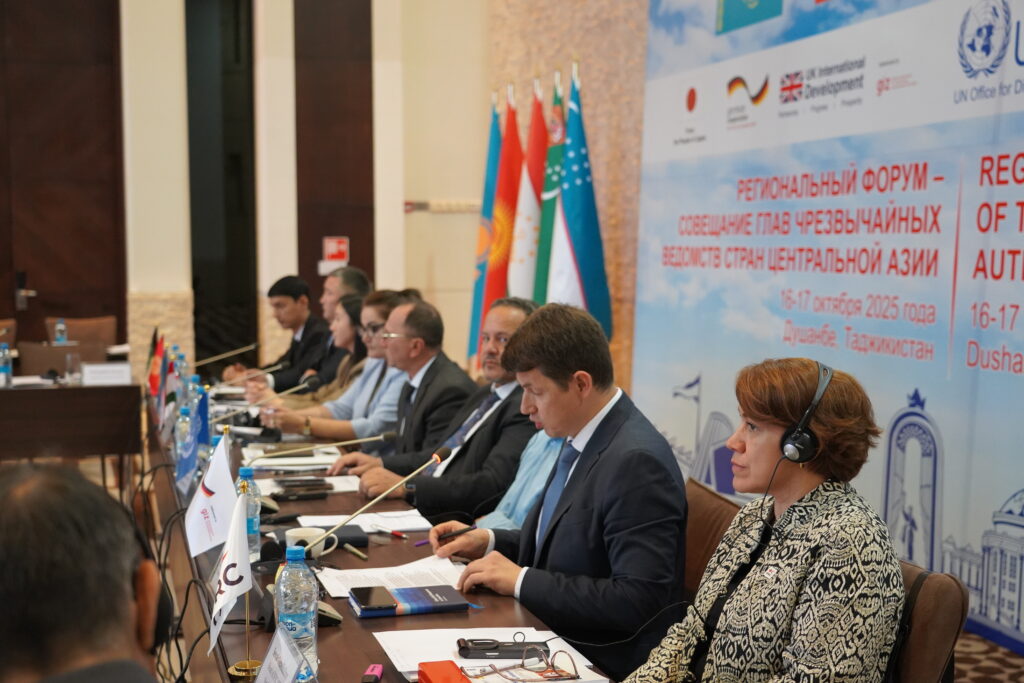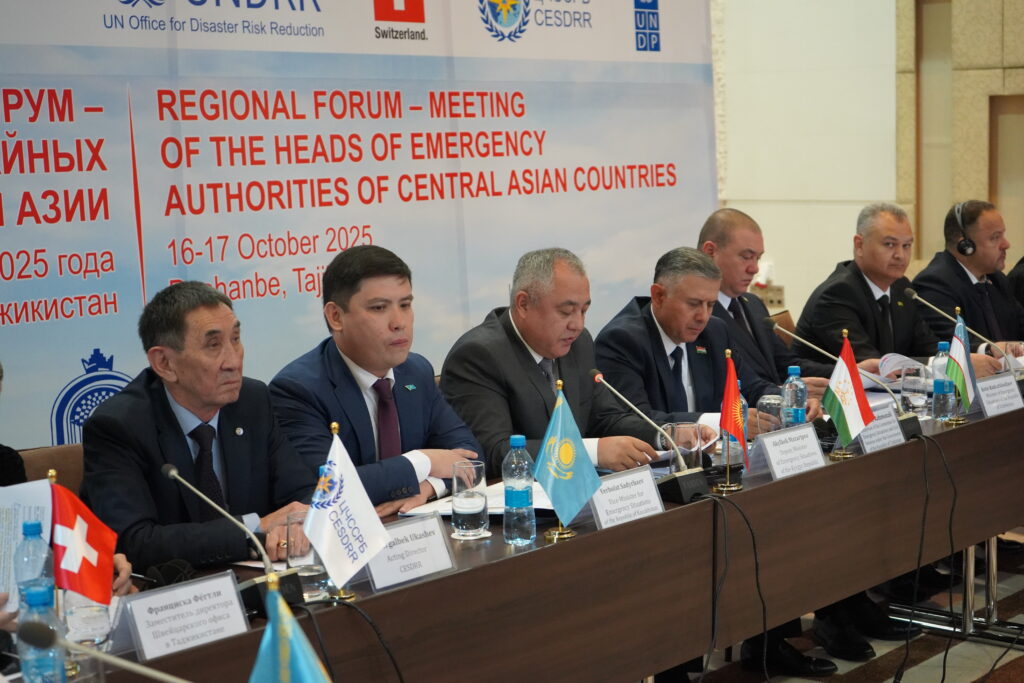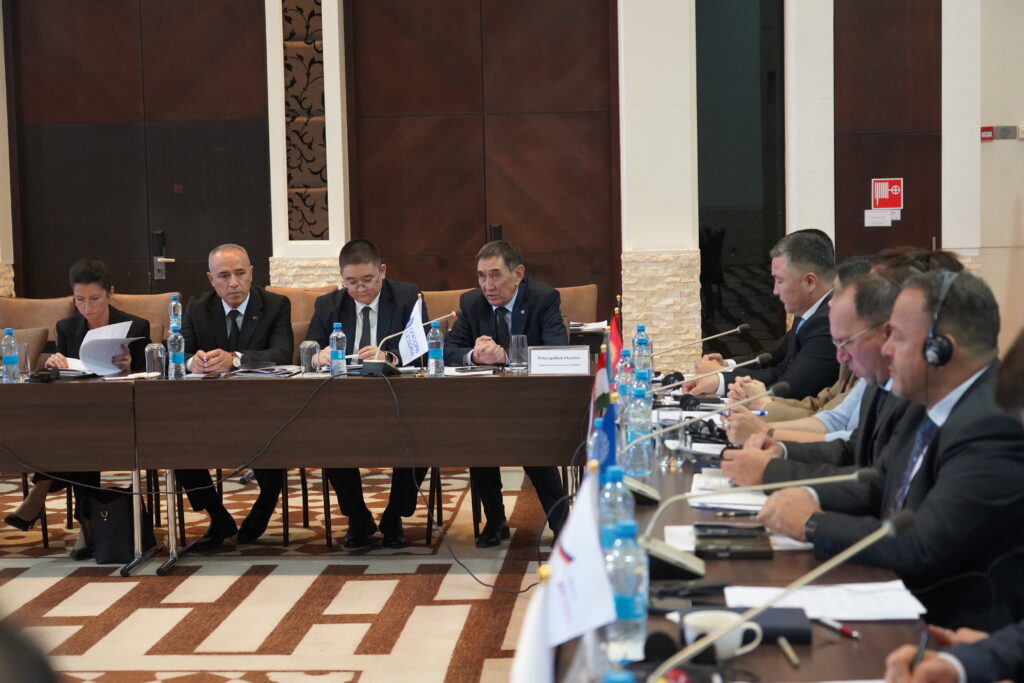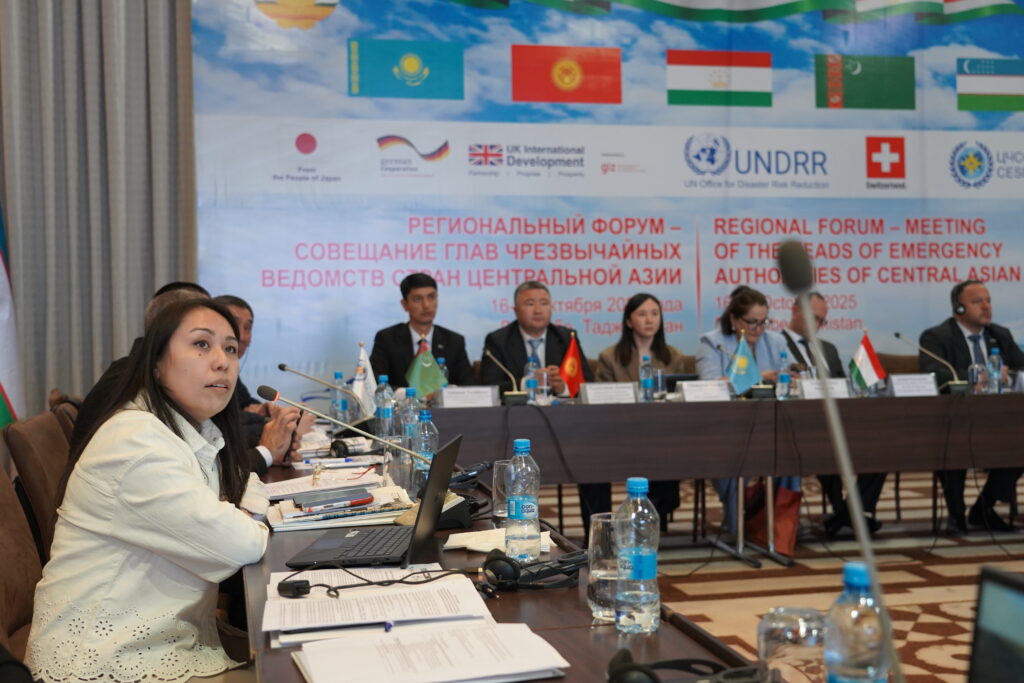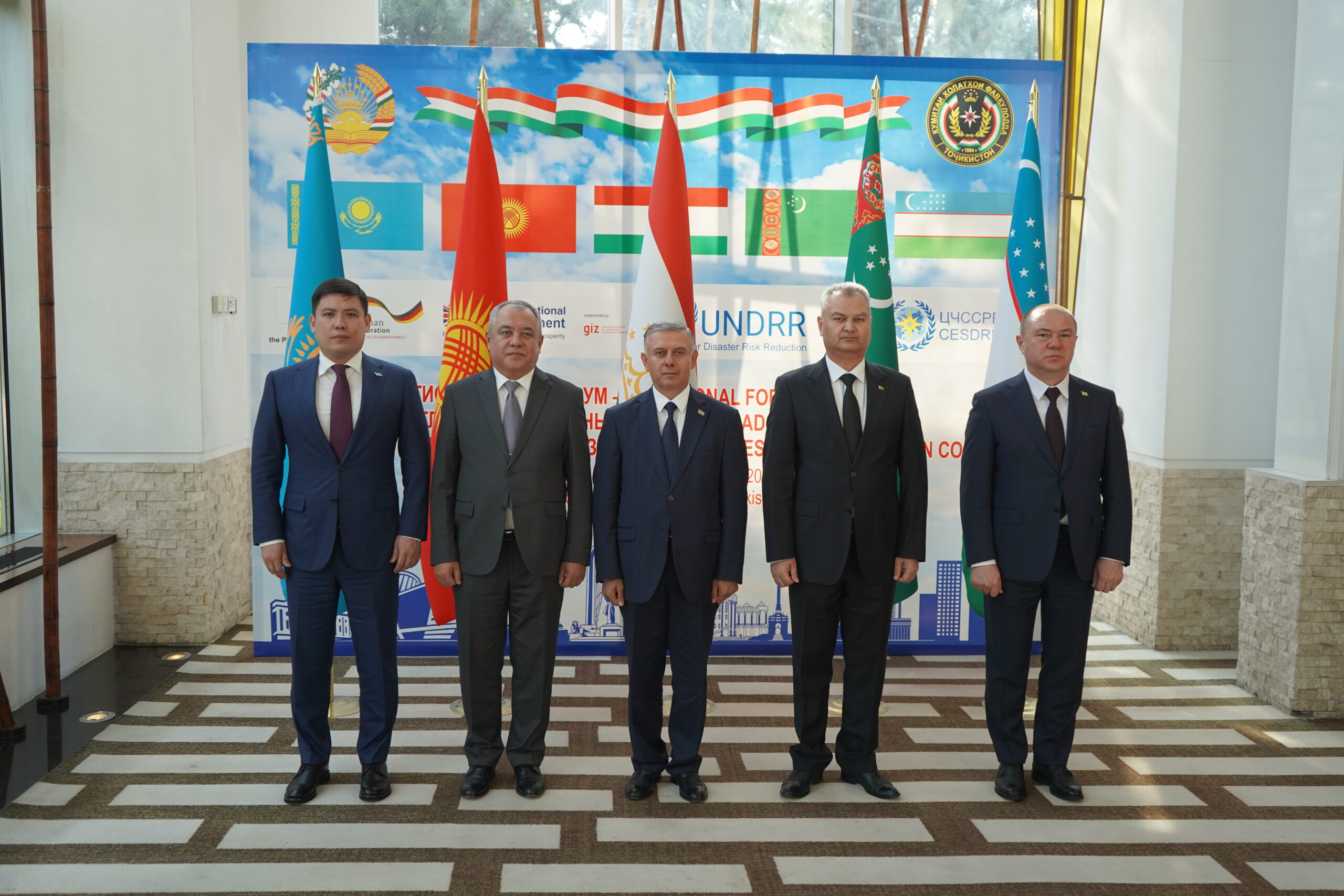
On 16–17 October 2025, Dushanbe hosted a high-level event – the Regional Forum – Meeting of the Heads of Emergency Authorities of Central Asian Countries, which brought together representatives from Kazakhstan, Kyrgyzstan, Tajikistan, Turkmenistan, and Uzbekistan, as well as experts from UN agencies, international organizations, and regional municipalities.
The Forum was organized by the Center for Emergency Situations and Disaster Risk Reduction (CESDRR) in cooperation with international organizations and with the support of the regional programme “Climate Risk Management in Central Asia” (CRMCA), which is implemented by GIZ on behalf of the German government and co-financed by UK International Development.
The chairman of the Committee for Emergency Situations and Civil Defense under the Government of the Republic of Tajikistan opened the Forum underlining the importance of regional cooperation and joint action: “Today we have gathered to discuss ways to strengthen collaboration in Central Asia in disaster risk reduction within the framework of the Sendai Framework for Disaster Risk Reduction 2030 and the UN global initiatives ‘Early Warning for All (EW4ALL)’ and ‘Making Cities Resilient 2030’. The Republic of Tajikistan supports the idea of creating sustainable regional cooperation mechanisms that will enhance the effectiveness of our collective actions. Only through joint efforts can we effectively address the challenges we face.”
During the EW4ALL session, participants discussed the current state of early warning systems in Central Asia, exchanged experiences and proposals for further joint action in the region.
Central Asia is one of the most vulnerable to natural hazards regions in the world. According to World Bank estimates, natural disasters cause economic damage of about US$10 billion to the countries of the region annually, affecting millions of people.
Most of the major rivers in Central Asia cross the territories of two or more states, making the risks of floods and droughts a regional issue. In these conditions, timely information sharing and coordinated response between Central Asian countries become vital to protect the population and minimize damage.
“The establishment of a regional early warning system on floods will enable Central Asian countries to make decisions based on shared information, improve the accuracy of forecasts, and strengthen trust and long-term cooperation in the field of transboundary risk prevention,” noted Mr. Dzhergalbek Ukashev, Acting Director of the Center for Emergency Situations and Disaster Risk Reduction.
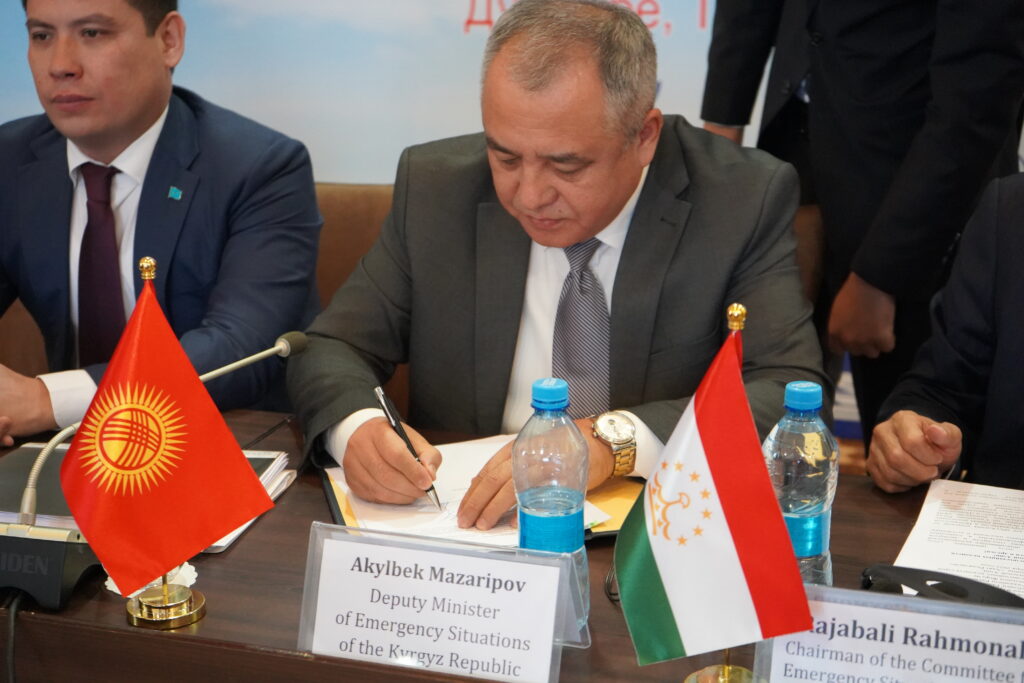
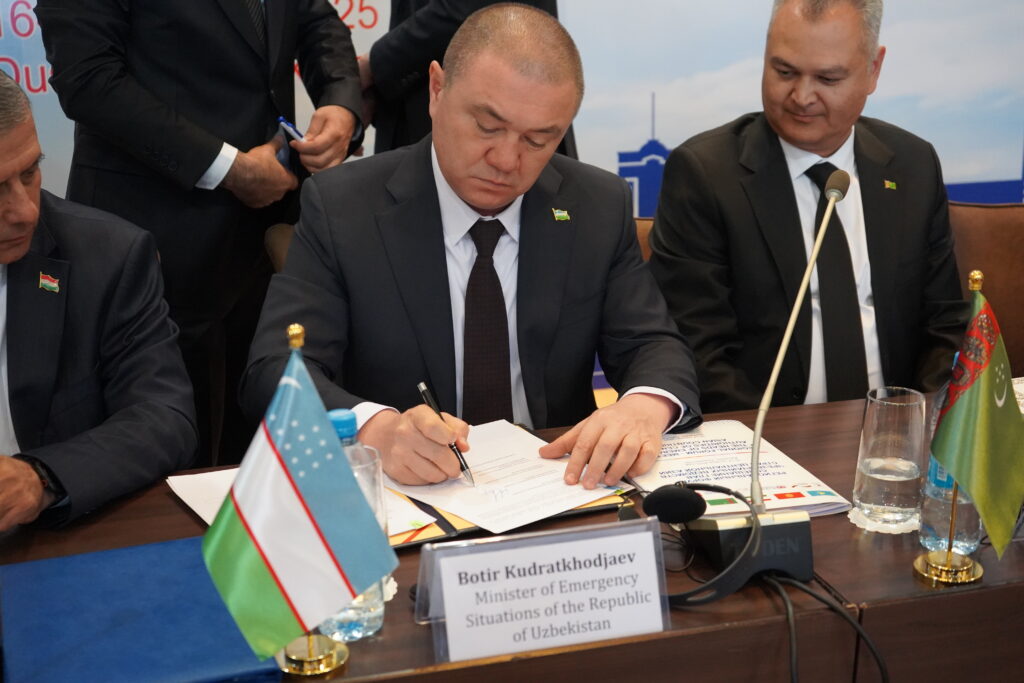
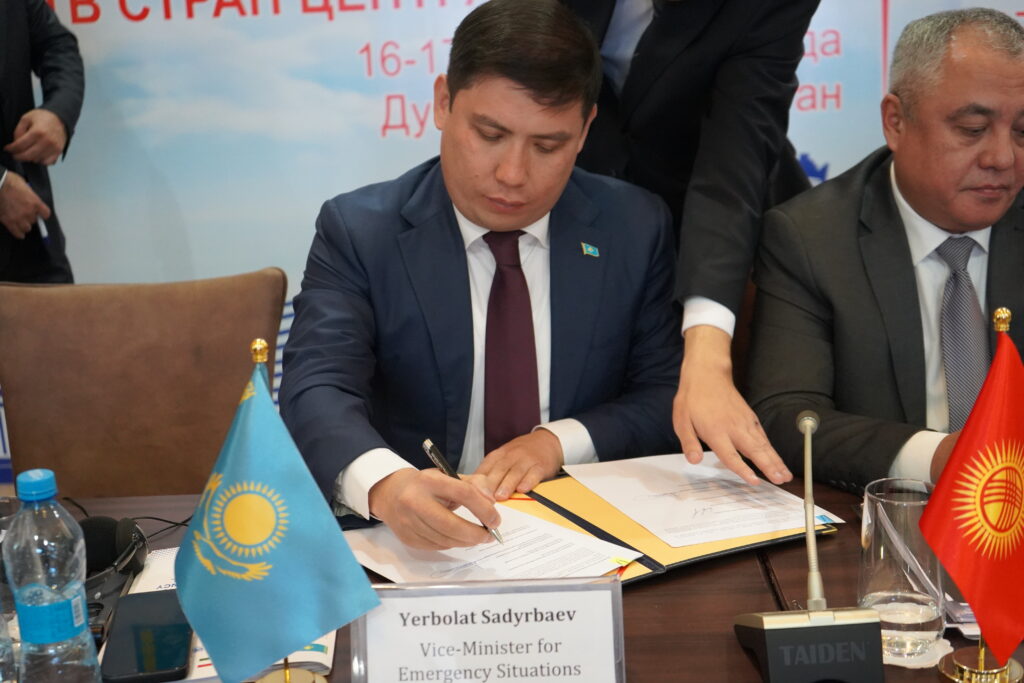
At the conclusion of the Forum, the heads of emergency ministries of Central Asian countries reviewed and agreed on the Protocol of Intent for data exchange between emergency response agencies and the Roadmap, which will serve as the basis for the establishment of a regional early warning system for hydrological disasters in pilot transboundary river basins.
The Roadmap includes eight key activities, ranging from the installation of automated hydrometeorological stations and the creation of a regional geoinformation platform to the modernization of local warning systems and the introduction of modern modeling methods. These actions are planned to be implemented by 2027.