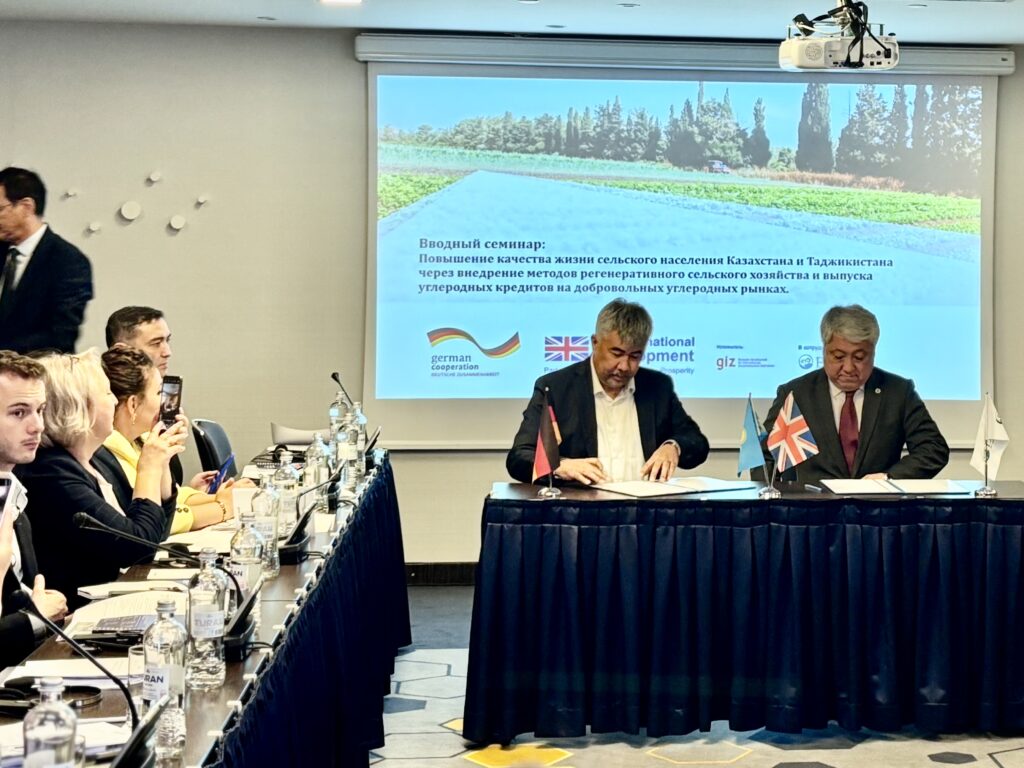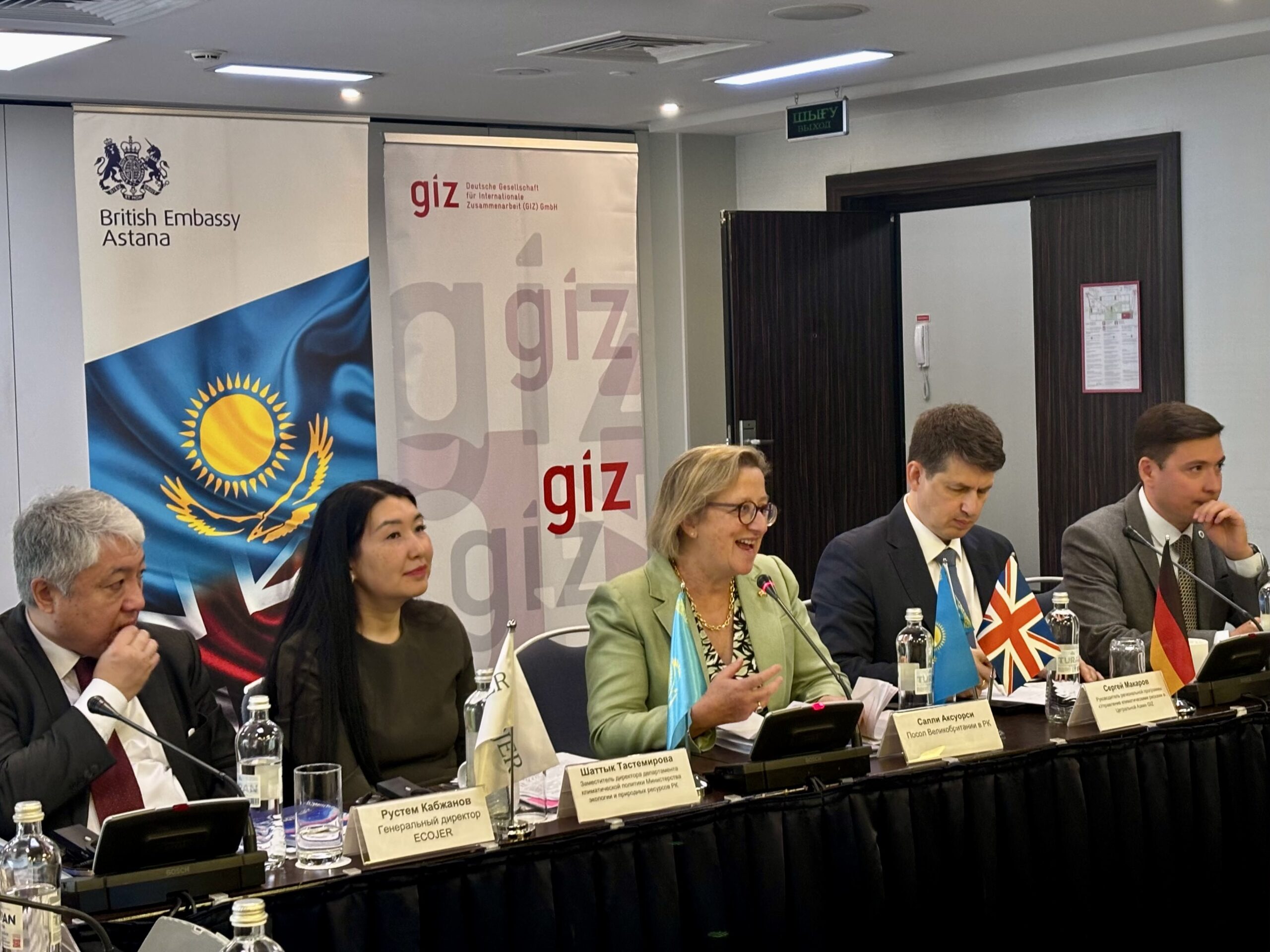
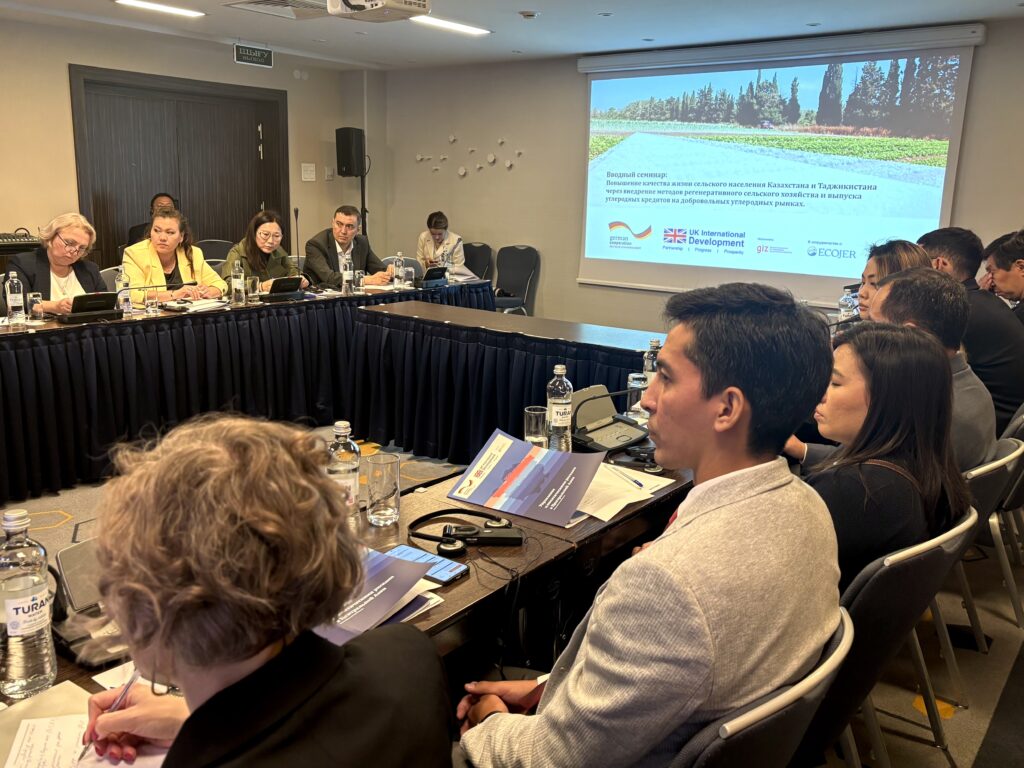
On 25 September 2025, a seminar took place in Astana to mark the official launch of the new regional project “Improving the quality of life of rural communities in Kazakhstan and Tajikistan through the implementation of regenerative agriculture practices, followed by the development and issuance of carbon credits on voluntary carbon markets”.
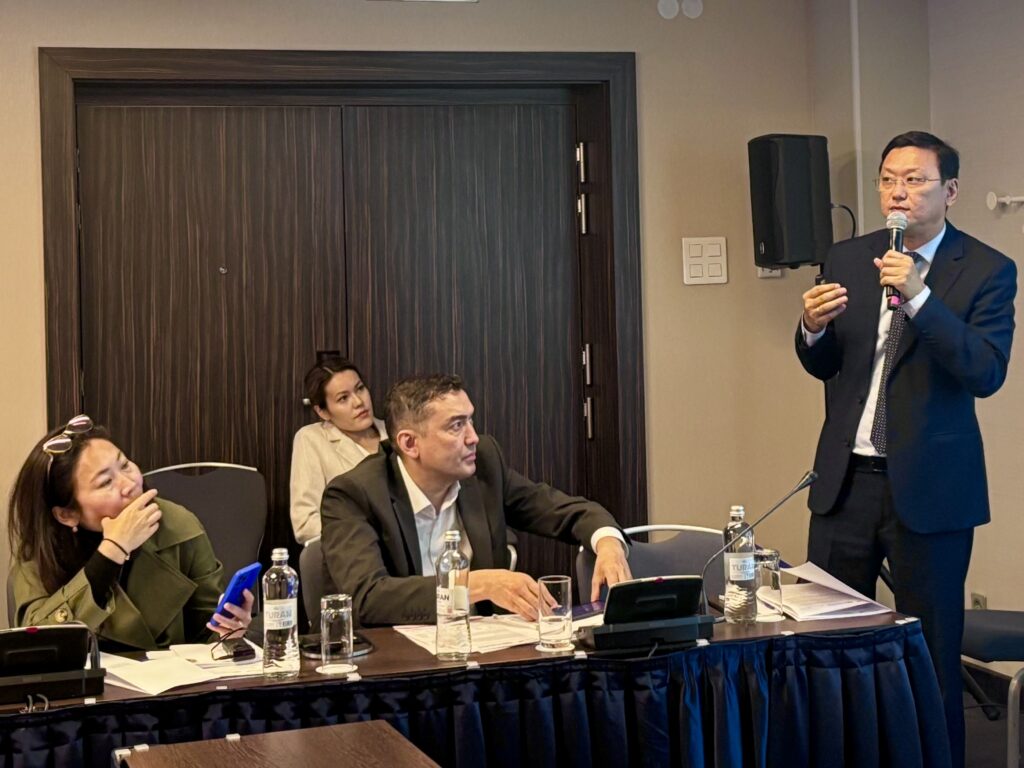
The event brought together the UK Ambassador to the Republic of Kazakhstan, representatives of the Ministry of Ecology and Natural Resources of the Republic of Kazakhstan, international organisations, and local farmer communities.
The project will provide training to farmers in Kazakhstan and Tajikistan in regenerative agriculture techniques. These practices help to restore soil health, enhance ecosystem services and improve crop yields whilst also contributing to carbon sequestration.
Kazakhstan and Tajikistan face growing challenges from land degradation, climate change, and water scarcity – threats that undermine agricultural sustainability and food security across Central Asia. In Kazakhstan alone, 180 million out of 272.5 million hectares are affected by desertification to varying degrees, placing significant pressure on rural livelihoods.
“With today’s launching event we once again remind you that innovation and resilience often begin with the land beneath our feet. The UK Government is proud to support local farmer communities in Kazakhstan and Tajikistan in exploring sustainable agricultural solutions that benefit both people and the environment,” – stated H.E. Mrs Sally Axworthy, Ambassador to the Republic of Kazakhstan.
This is one of the first pilot projects in Central Asia to directly link agriculture with voluntary carbon market. It plans to engage over 2,500 farmers and cooperatives, covering up to 20,000 hectares of farmland in regenerative practices.
“Participating farmers will not only improve the resilience and efficiency of their farms but also gain access to new income streams through the sale of carbon credits which certify reduced greenhouse gas emissions or increased carbon storage in soils,” – noted Mr. Sergey Makarov, Programme Director, GIZ programme “Climate Risk Management in Central Asia”.
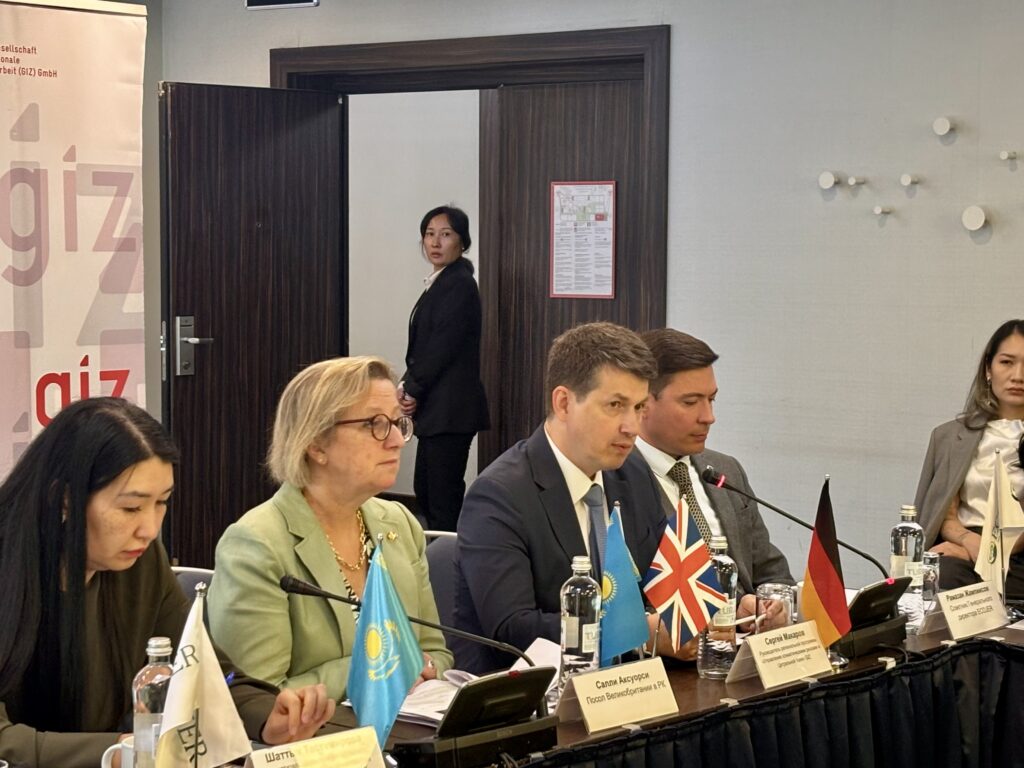
“The development of the carbon market in Kazakhstan helps attract green investment in agriculture, stimulating sustainable development at the local level,” – highlighted Mr. Rustem Kabzhanov, General Director, Kazakh association of regional environmental initiatives “ECOJER”.
The project is implemented by the Kazakhstan Association of Regional Environmental Initiatives ECOJER in partnership with the Tajik NGO Sharikon Baroi Rushd under the Small Grants and Climate Innovation Facility (SGCIF), which is funded by UK International Development. SGCIF is a part of the regional programme “Climate Risk Management in Central Asia”, implemented by GIZ on behalf of the German Government.