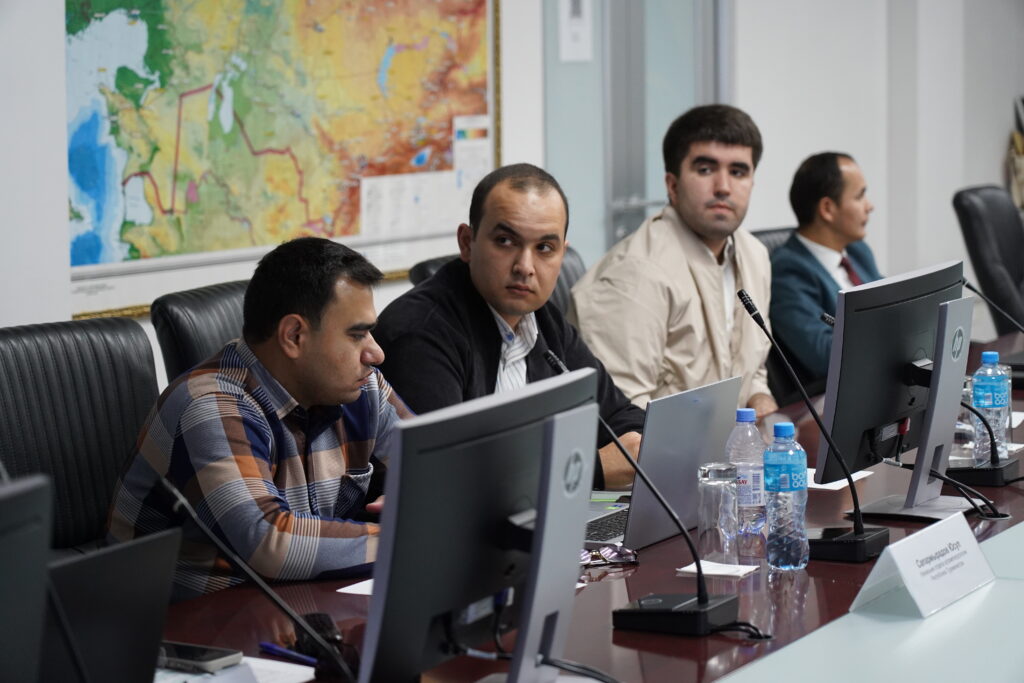
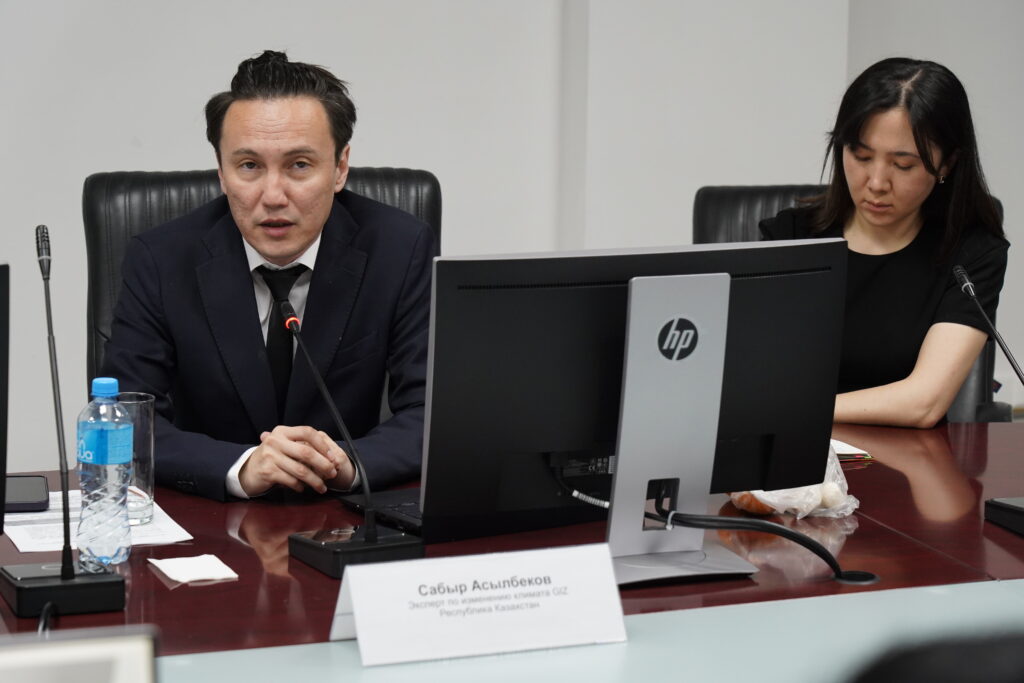
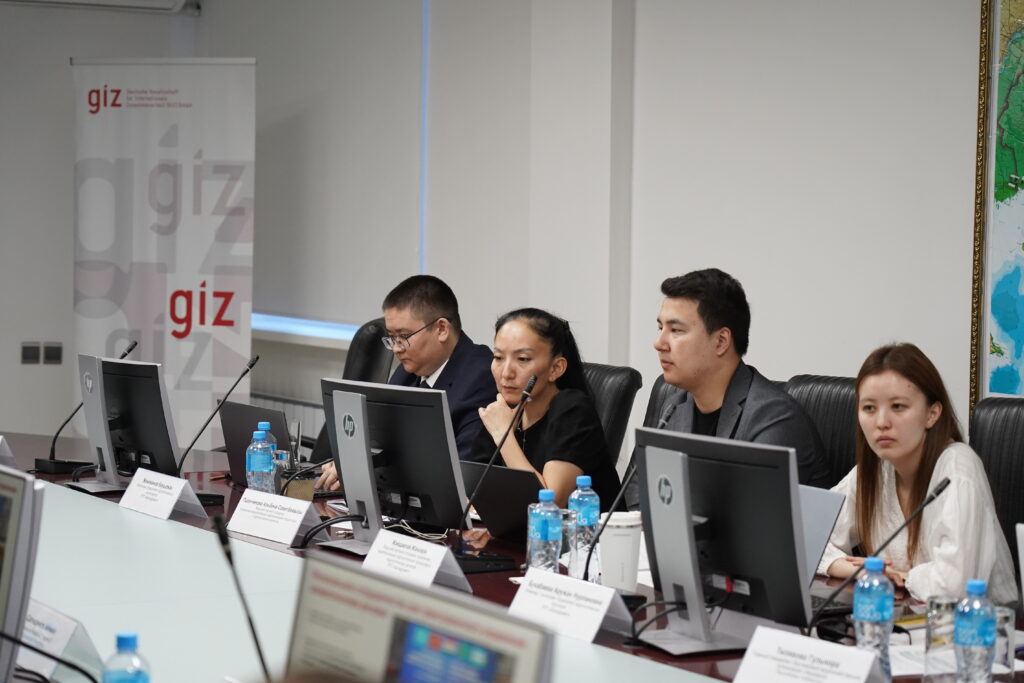
On May 20–21, 2025, a regional training workshop was held in Astana focusing on the application of the Soil and Water Integrated Model (SWIM) for specialists from the national hydrometeorological services of five Central Asian countries and representatives from the Amu Darya and Syr Darya Basin Water Organizations (BWOs). The training was conducted by hydrological modeling expert Yuliya Didovets from the Potsdam Institute for Climate Impact Research (PIK, Germany) in the framework of the regional project Climate risk management in Central Asia, implemented by GIZ on behalf of the German Government.
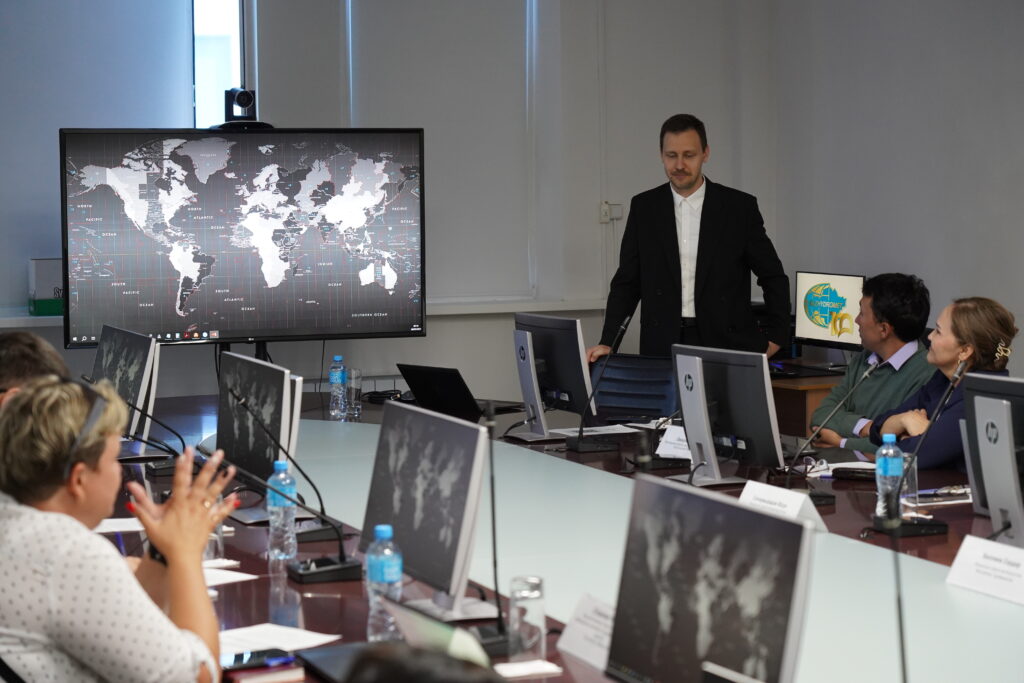
During the training, participants deepened their understanding of the SWIM model’s capabilities for watershed analysis, assessing the impacts of climate change, and planning sustainable water resource management.
“The training was practice-oriented and focused on real challenges that experts face both at national and transboundary levels,” explained Iulii Didovets, hydrological modeling expert at PIK.
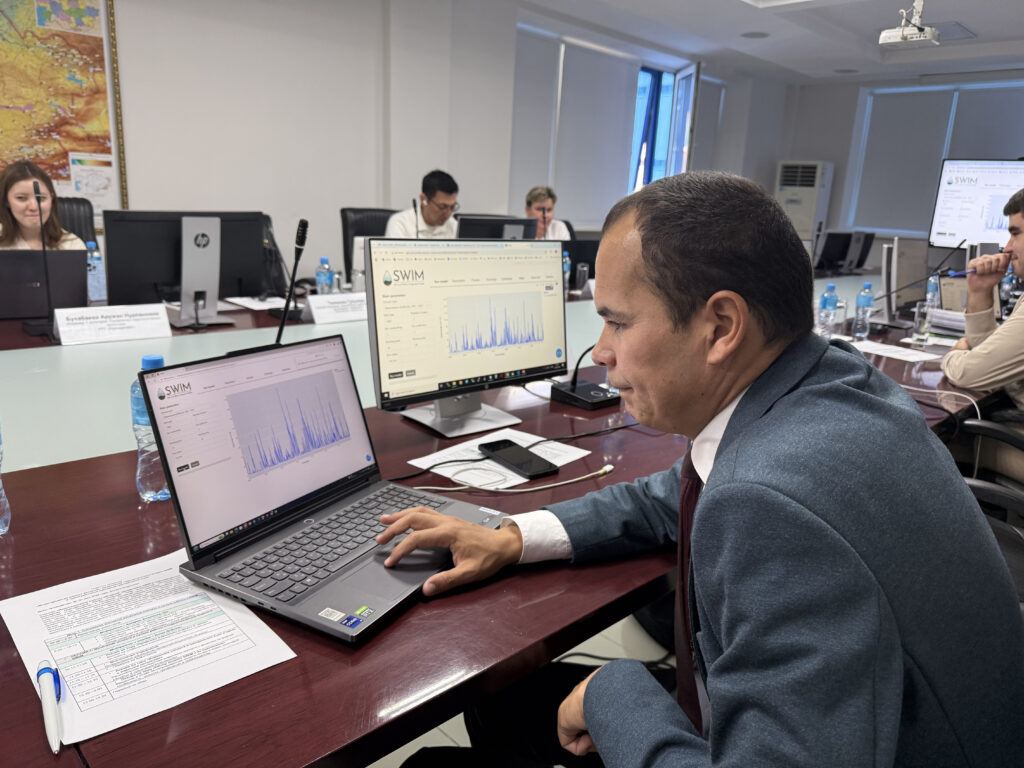
Practical sessions were based on river basins in Central Asia, clearly demonstrating the model’s potential for evaluating climate change scenarios, managing reservoirs, and analyzing river discharge.
“The training was an important step toward strengthening regional cooperation, exchanging experiences, and building the capacity of national hydrometeorological services in climate-informed water planning,” noted Elvira Omorova, Head of the Hydrological Forecasting Department at Kyrgyzhydromet.
The PIK team is working on adapting the SWIM model for seasonal forecasting of river flow and extreme events in the Amu Darya and Syr Darya basins. This will include the automatized reading in of the weather data and other relevant data (data assimilation), and the enhancement of snow process representation in hydrological modelling for mountainous regions using different snow cover (or snow water equivalent) products. By addressing these critical aspects, the project aims to strengthen the accuracy and effectiveness of early warning systems, better equipping the region to respond to potential flood and drought disasters.
The work is carried out in communication with the local experts to streamline the products to the demand of the end users. Once calibrated and validated, the SWIM model will be visualized and available online for seasonal streamflow forecasting through the Central Asian Climate Information Platform.