




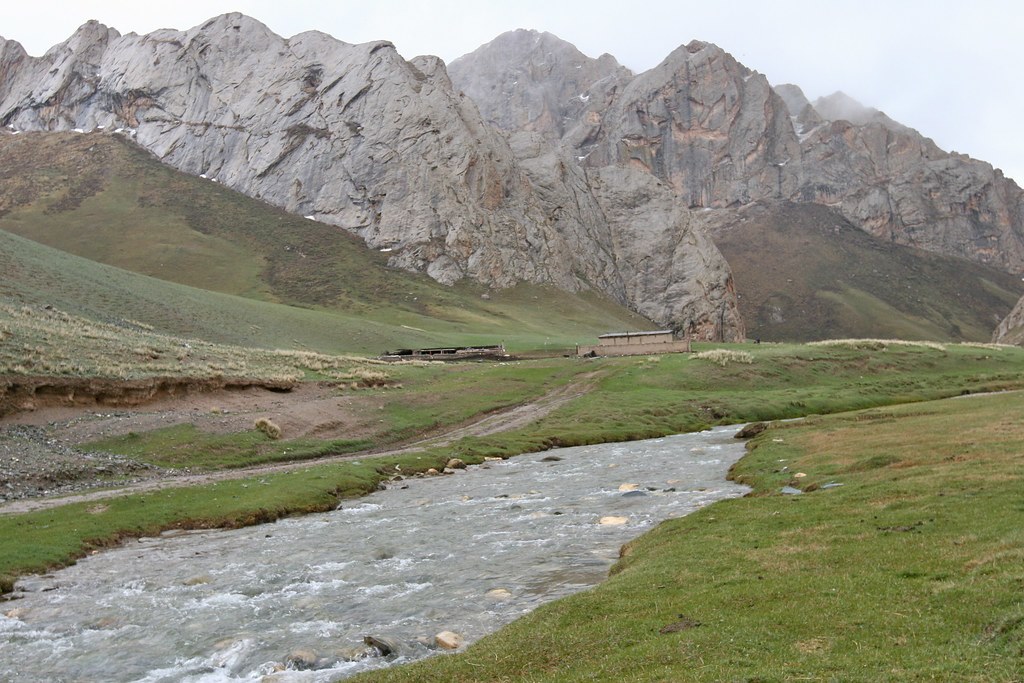
On November 13–14, 2025, a two-day training on climate risk assessment (CRA) and disaster awareness raising (DRA) was held in Fergana. The training was organized as part of the regional program “Climate Risk Management in Central Asia” (CRMCA), implemented by GIZ on behalf of the German government.
The Fergana Valley remains Uzbekistan’s main agricultural region, providing the country with fruits and vegetables. At the same time, there is already an acute shortage of water resources here, as farmers receive only about 70% of the water they need for irrigation. The situation will worsen with increasing climate pressure, driven by increased rainfall and glacial melt. These, in turn, will increase the risk of floods and mudflows, threatening food security and infrastructure in a transboundary region with a population of over 12 million people. According to UNICEF, the Fergana Valley is also among the zones with high exposure of children to climate risks.
Given the transboundary nature of climate risks and their close link to natural hazards, the GIZ Regional Programme “Climate Risk Management in Central Asia” supports partner countries in strengthening resilience and integrating climate risk considerations into policy planning.
The training was attended by 32 representatives of regional and local authorities, water and agriculture departments, the Syrdarya–Sokh Basin Administration, emergency services, hydrometeorology agencies, education and health departments, Fergana State University, Polytechnic Institute, Institute of Public Health, mahalla committees, and non-governmental organizations.
Participants were able to immerse themselves in the analysis of climate trends in Central Asia and the Fergana Valley and apply CRA and DRA methodologies in practical exercises to map vulnerabilities and develop integrated action plans to address them.
The ongoing training helped strengthen participants’ knowledge and practical skills in identifying, analysing, and managing climate and natural hazards, integrating gender and social dimensions into adaptation and preparedness processes, and enhancing local resilience.
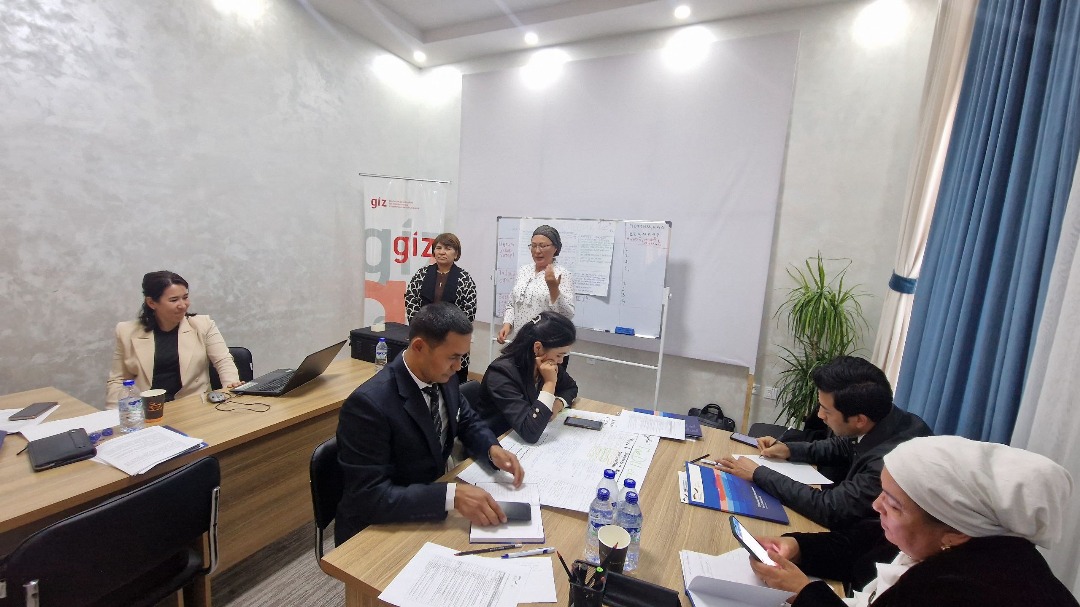
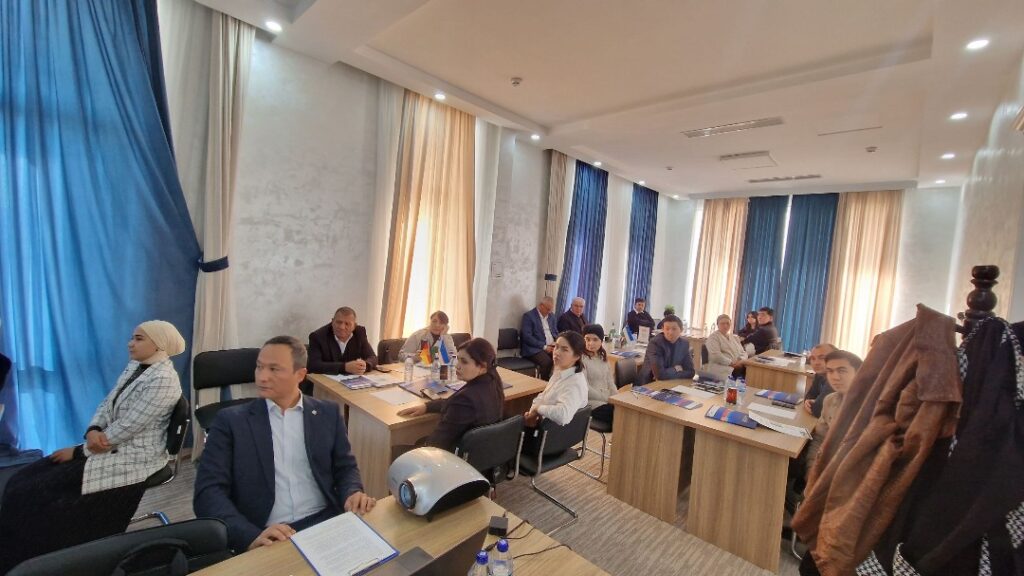
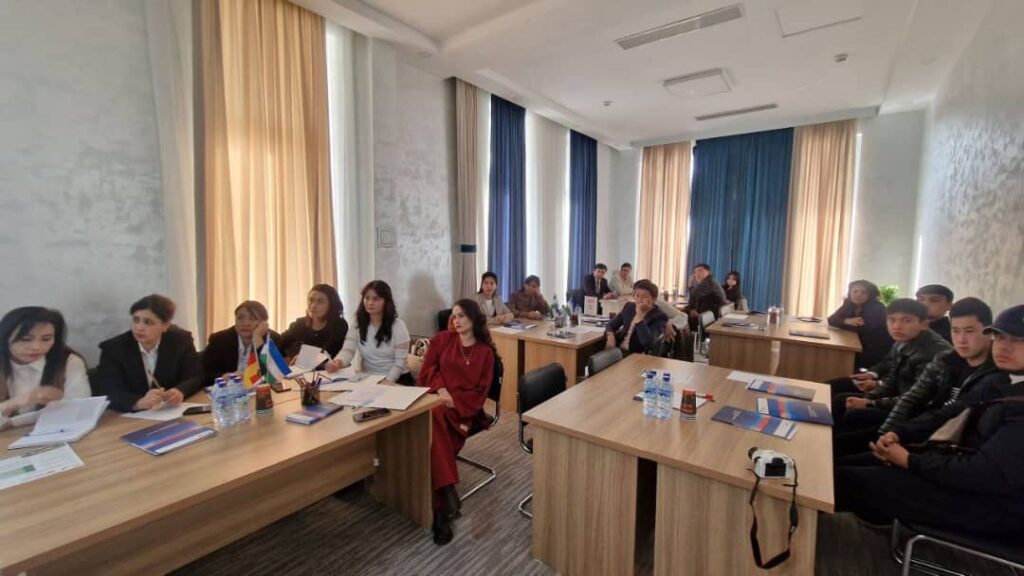
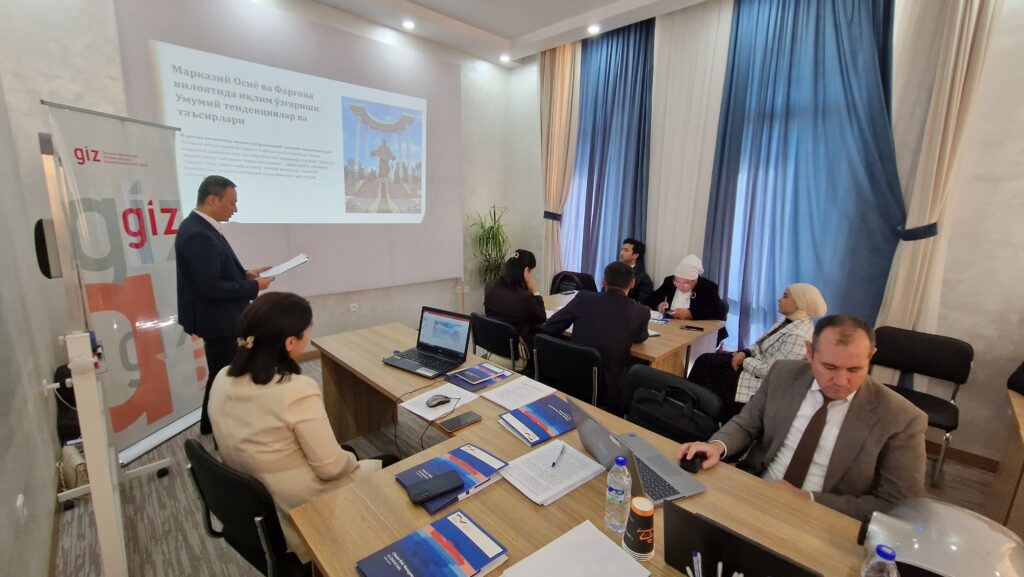
Photo credit
1st photo: Fergana Valley (wikihow.com)
other photos: GIZ


